
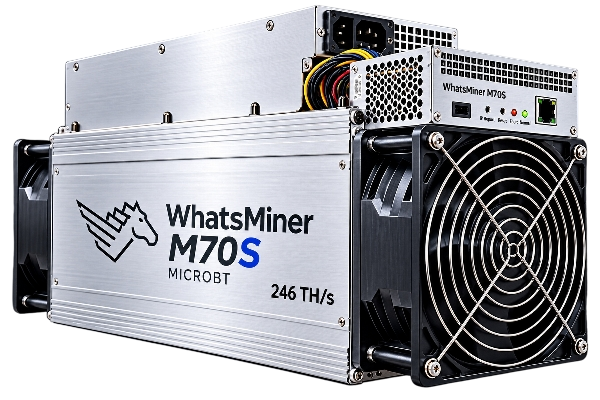
WhatsMiner M70S
$10 to $50
2% daily for 2 months
Industrial grade ASIC miners, hydro cooled data centers and real daily mining rewards, mined every second, delivered every day.
WhatsMiner M70S
$10 to $50
2% daily for 2 months
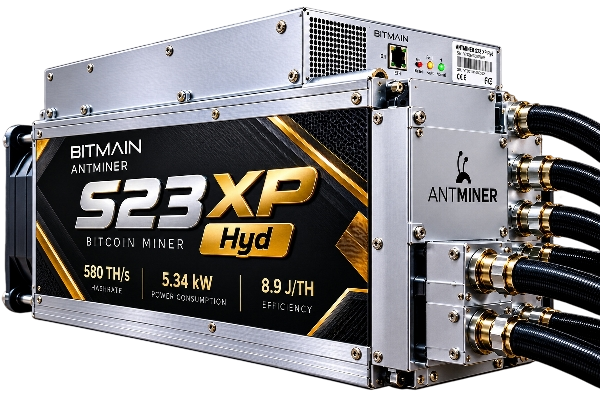
S23 XP Hyd
$50 to $300
2.2% daily for 2 months
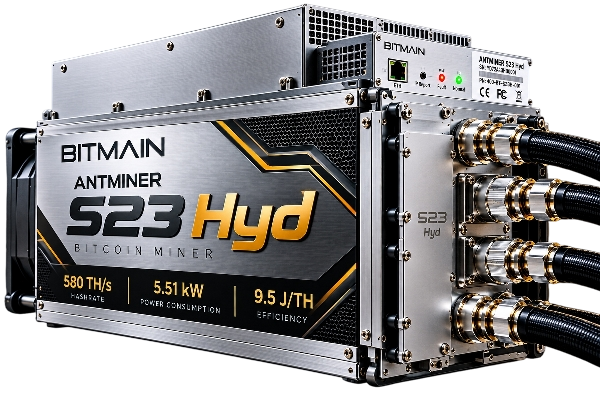
S23 Hyd
$300 to $1,000
2.3% daily for 2 months
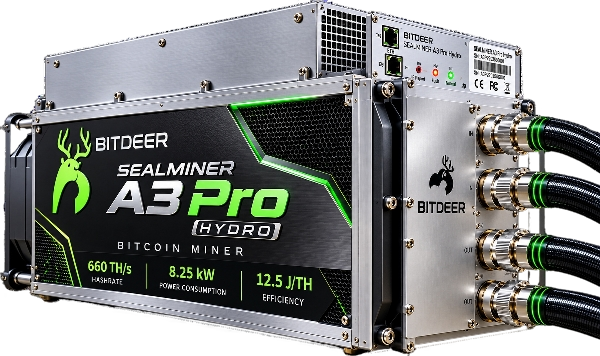
SealMiner A3 Pro
$1,000 to $2,500
2.1% daily for 2 months
WhatsMiner M70S
$10 to $50
2% daily for 2 months
S23 XP Hyd
$50 to $300
2.2% daily for 2 months
S23 Hyd
$300 to $1,000
2.3% daily for 2 months
SealMiner A3 Pro
$1,000 to $2,500
2.1% daily for 2 months
WhatsMiner M70S
$10 to $50
2% daily for 2 months
S23 XP Hyd
$50 to $300
2.2% daily for 2 months
S23 Hyd
$300 to $1,000
2.3% daily for 2 months
SealMiner A3 Pro
$1,000 to $2,500
2.1% daily for 2 months
WhatsMiner M70S
$10 to $50
2% daily for 2 months
S23 XP Hyd
$50 to $300
2.2% daily for 2 months
S23 Hyd
$300 to $1,000
2.3% daily for 2 months
SealMiner A3 Pro
$1,000 to $2,500
2.1% daily for 2 months


Bitcoin mining has evolved through several hardware generations. Each leap increased hash rate, improved energy efficiency and strengthened a permissionless settlement network.

Identity remains unknown
Pseudonymous creator of Bitcoin
Satoshi Nakamoto published the Bitcoin whitepaper in 2008 and launched the network in 2009. Their identity remains unknown; this is a conceptual image, not a verified portrait.
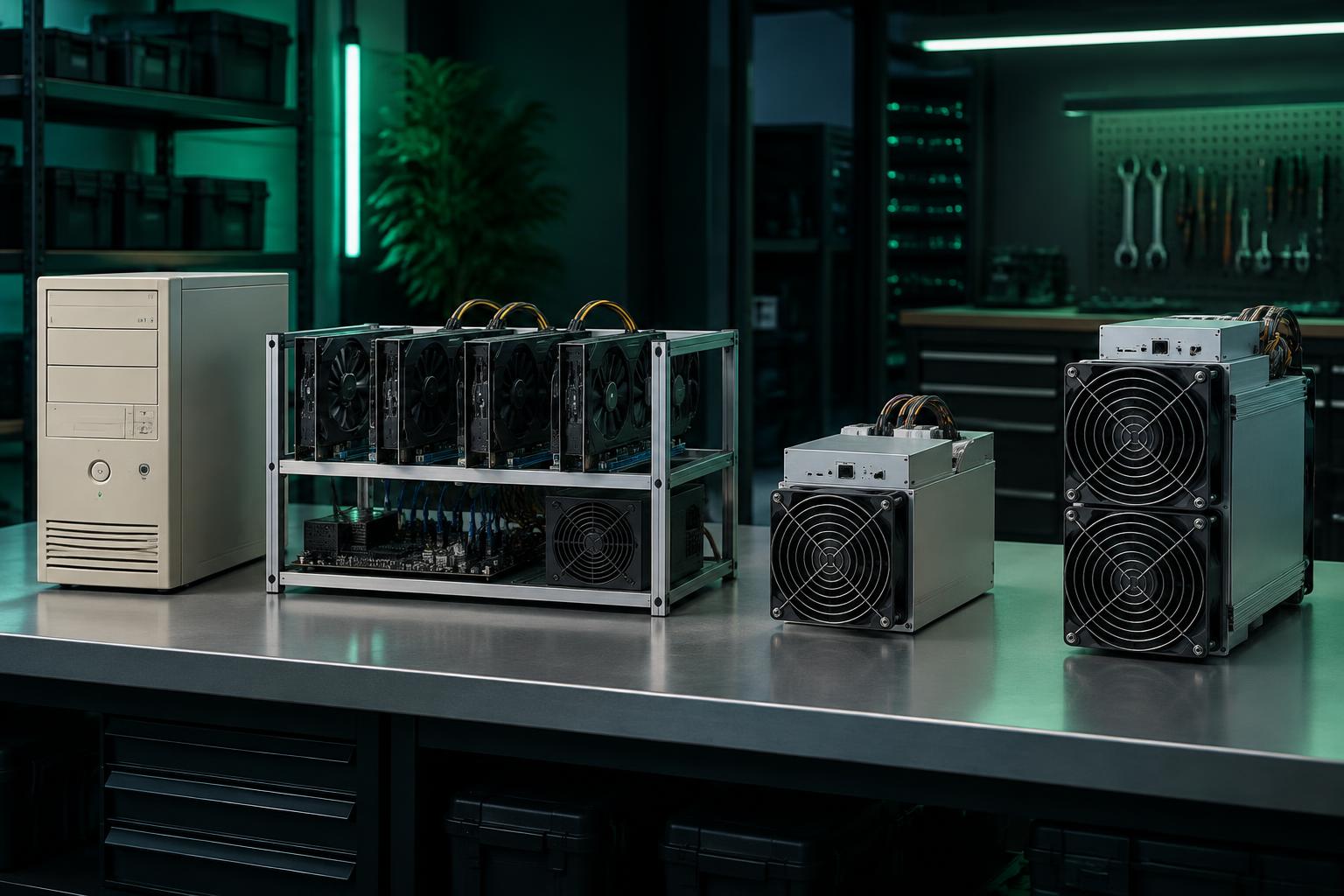
Hardware evolution
Purpose built silicon now performs trillions of SHA256 calculations every second.
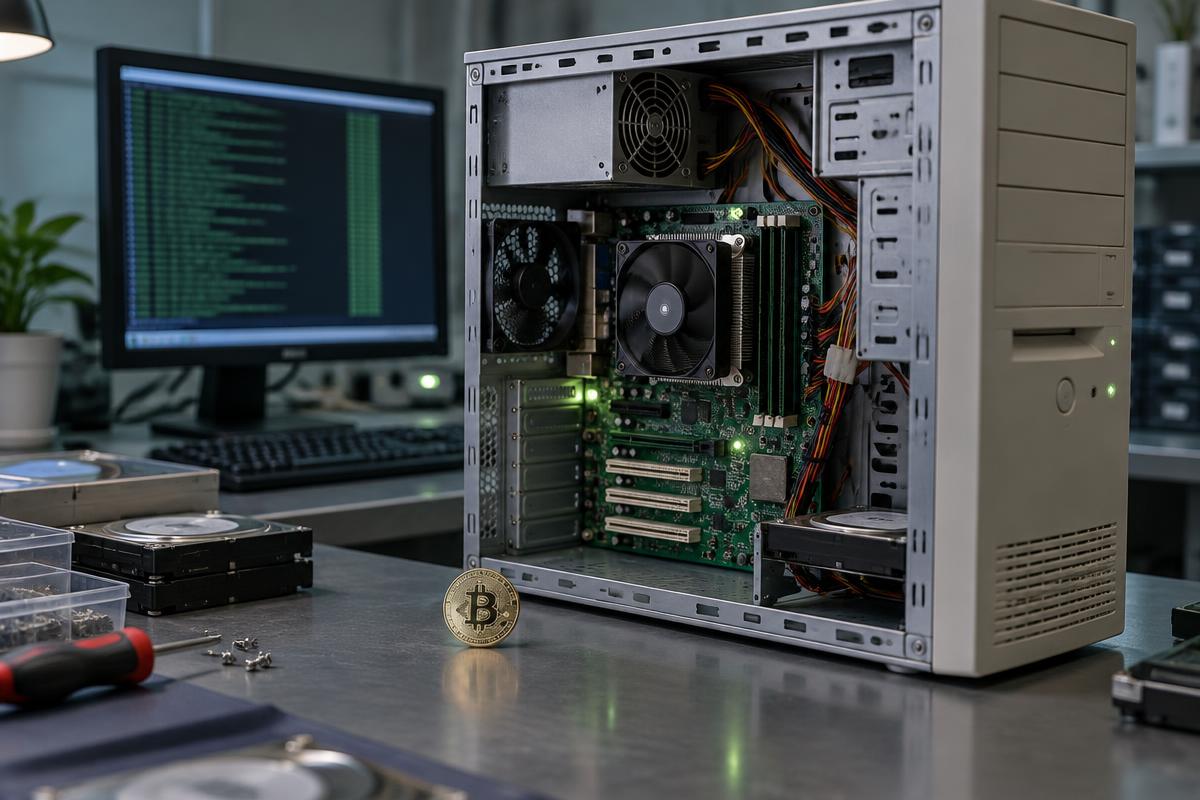
2009
Bitcoin's earliest blocks were mined on ordinary desktop processors, measured in kilohashes per second.
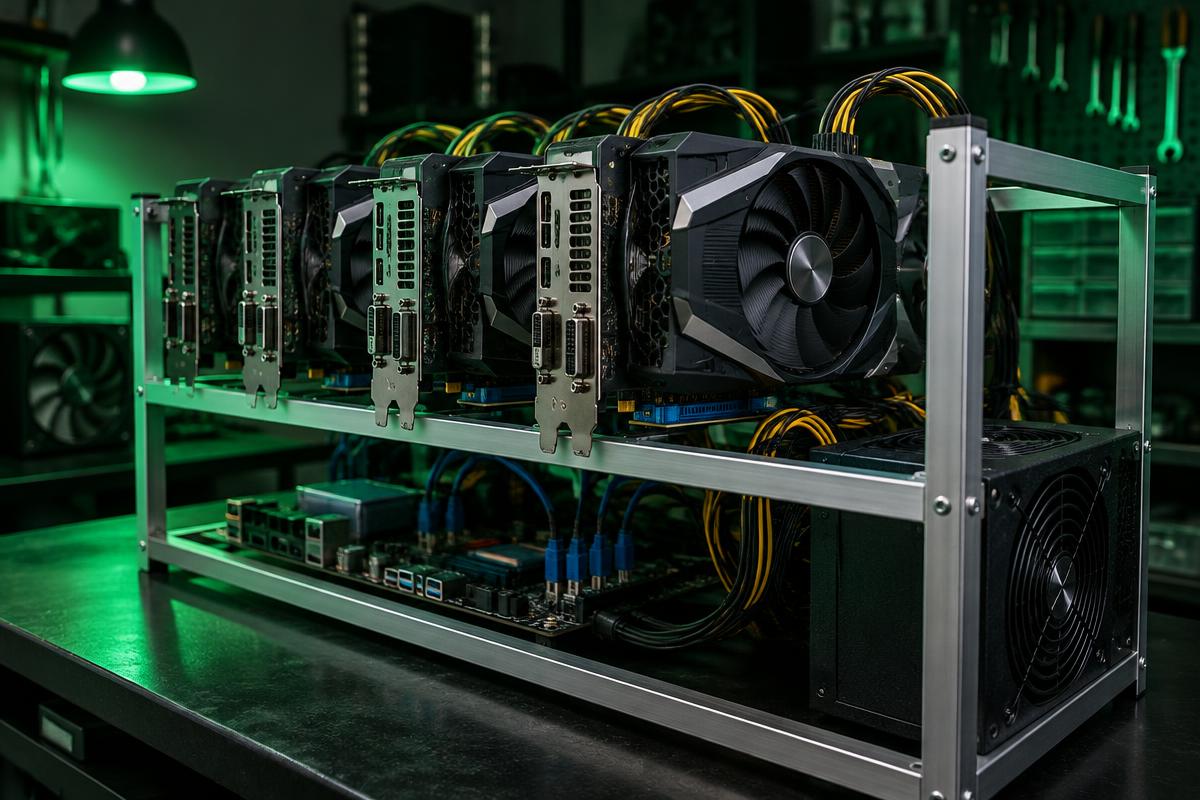
2010
Parallel graphics processors multiplied hashing throughput and introduced open frame mining rigs.
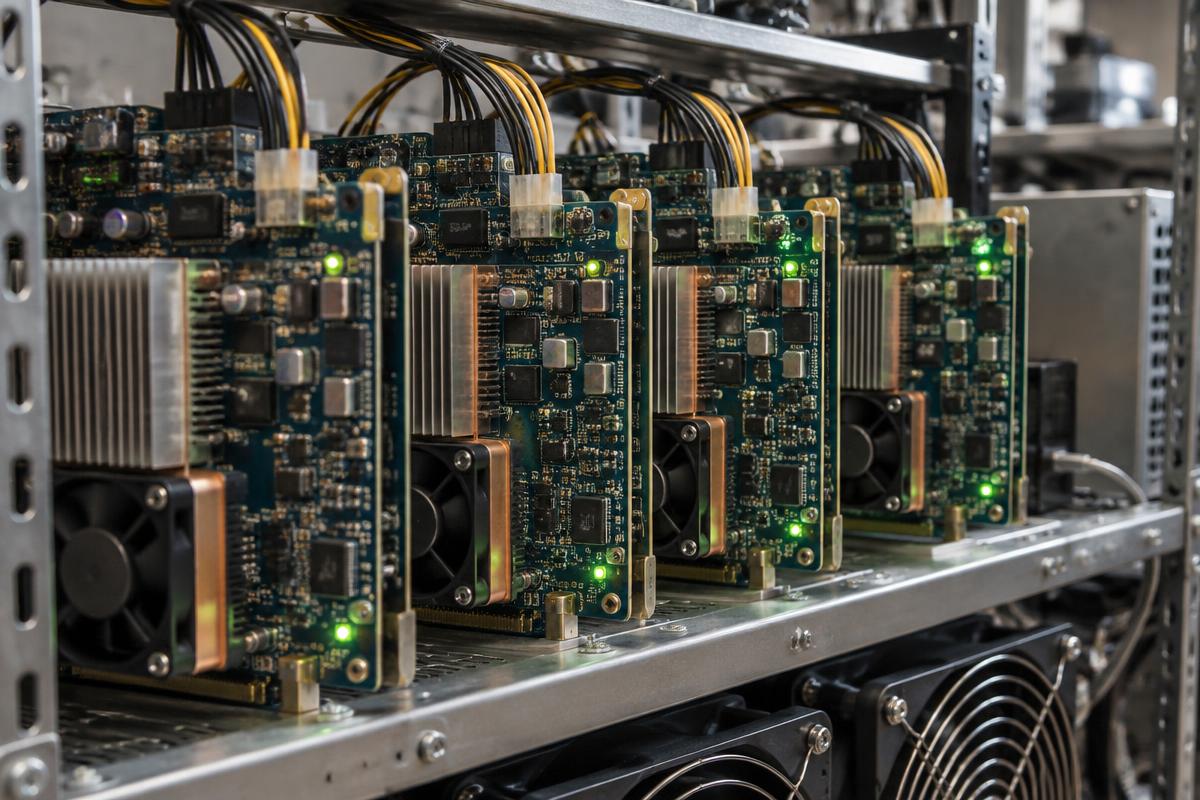
2011 to 2012
Programmable chips reduced power per hash and became the bridge to dedicated silicon.
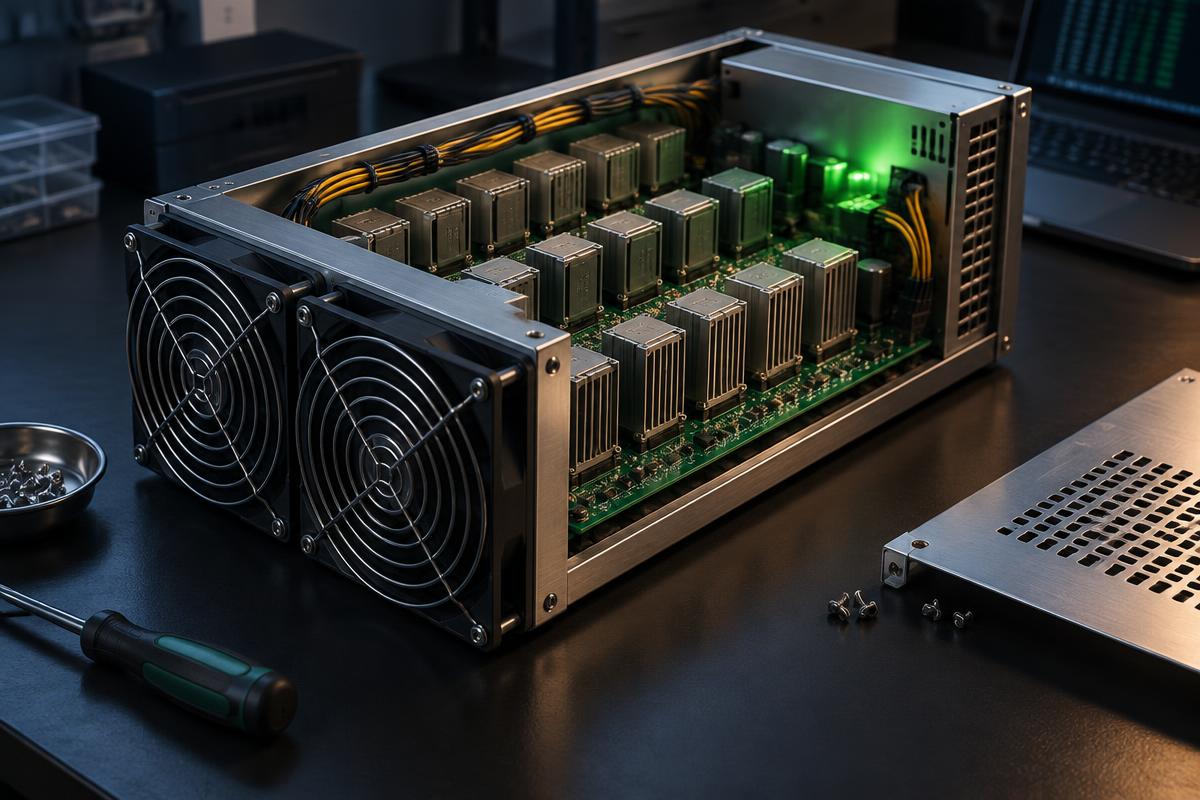
2013
Purpose built SHA256 machines transformed mining from a hobby into specialized infrastructure.
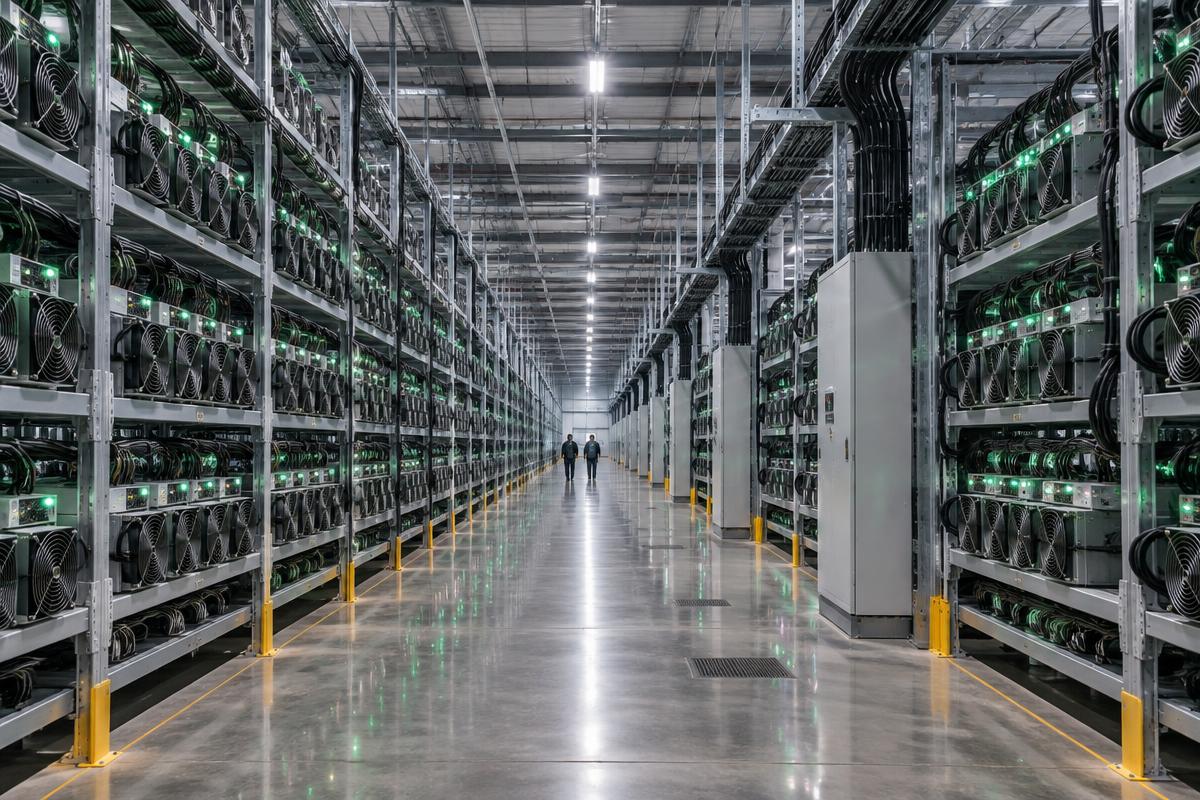
Today
Modern fleets combine high density ASICs, automated controls and advanced air or liquid cooling.
Figures are representative ranges. Actual output varies by model, tuning, temperature and power conditions.
| Era | Hardware | Typical hash rate | Power | Efficiency | Cooling |
|---|---|---|---|---|---|
| 2009 | Desktop CPU | 5 to 20 MH/s | 100 to 250 W | Early baseline | Case airflow |
| 2011 | Multi-GPU rig | 0.5 to 2 GH/s | 0.8 to 1.5 kW | GPU dependent | Open air |
| 2013 | First gen ASIC | 60 to 500 GH/s | 0.6 to 1.2 kW | 2 to 10 J/GH | Dual fan |
| 2020 | 19 series ASIC | 95 to 110 TH/s | 3.0 to 3.3 kW | 29 to 34 J/TH | High flow air |
| Current | Latest ASIC class | 200+ TH/s | 3.3 to 5.5 kW | Below 20 J/TH | Air & hydro |
These educational personas represent the specialists commonly found in professional mining operations.
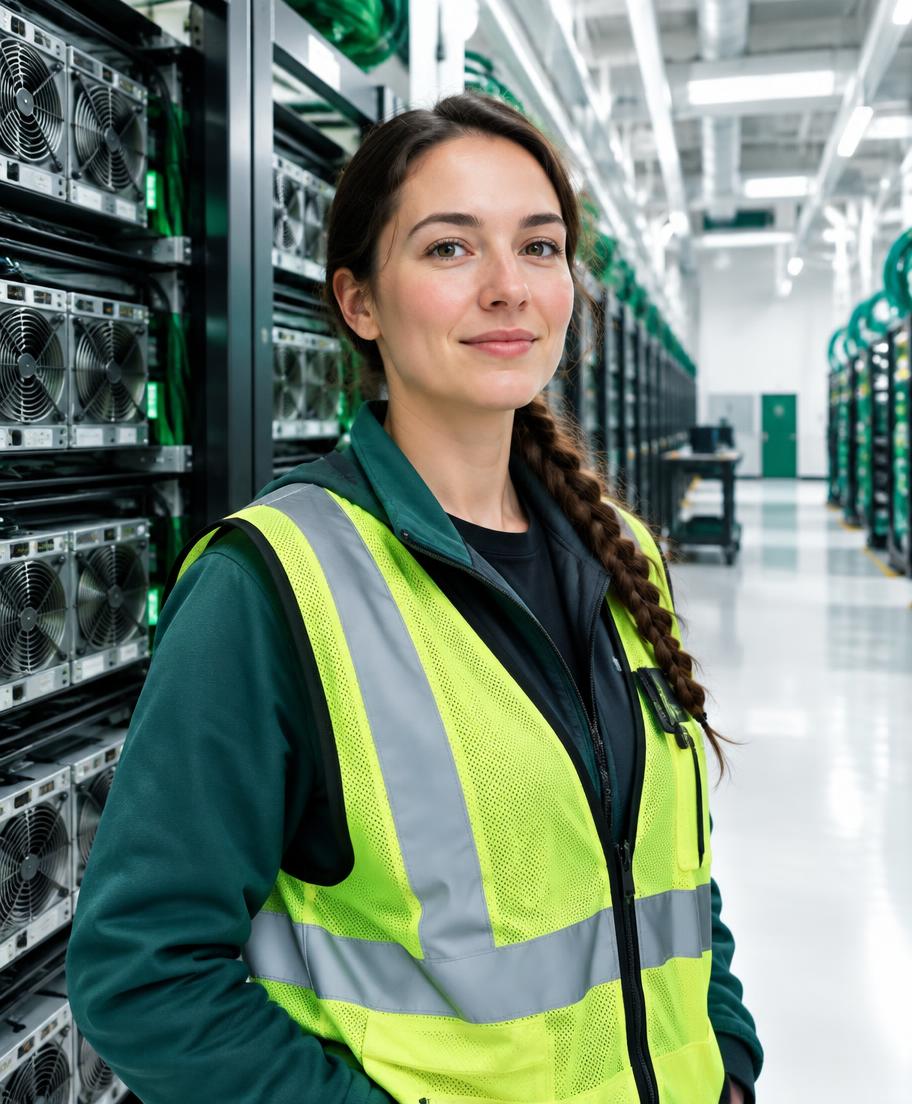
Stable electrical distribution
Mining sites depend on monitored transformers, protected circuits and balanced loads—not simply access to low-cost electricity.
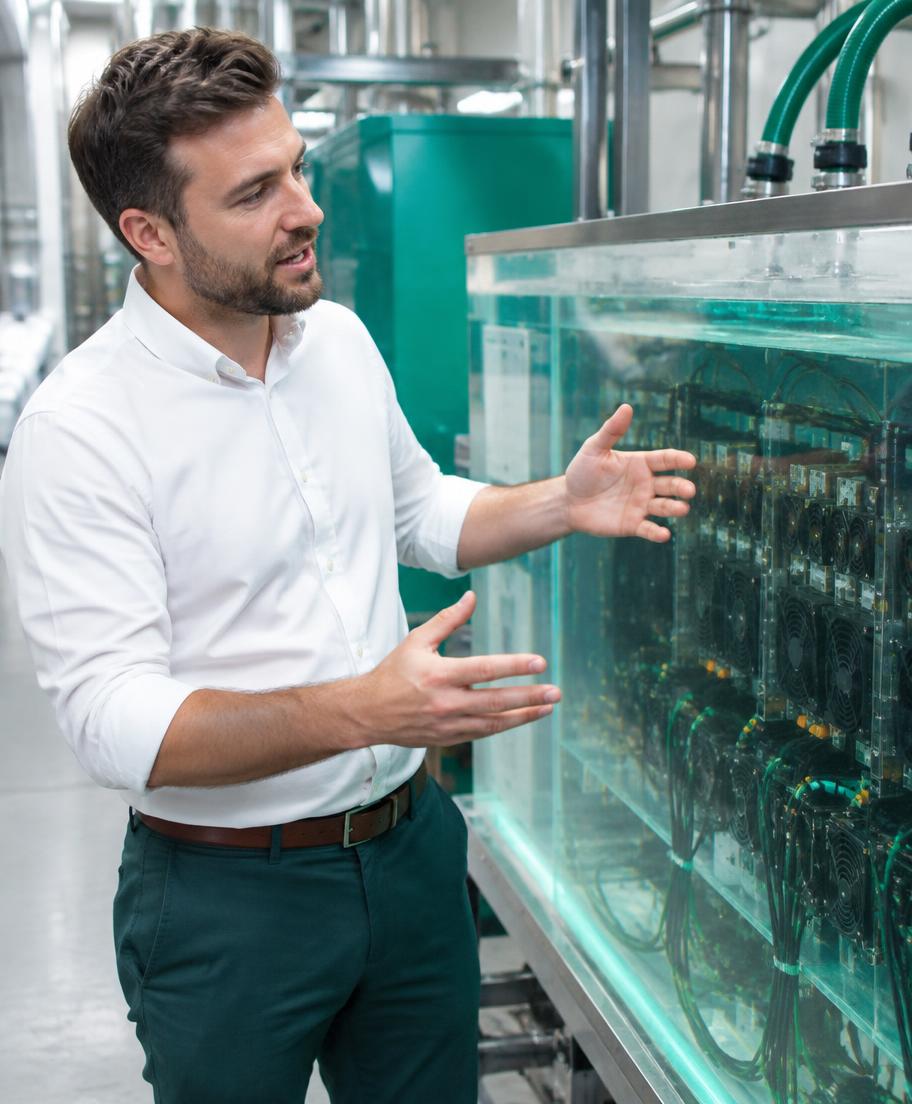
Heat removal and equipment life
Air, hydro and immersion systems are selected around climate, density and maintenance requirements to keep silicon within safe limits.
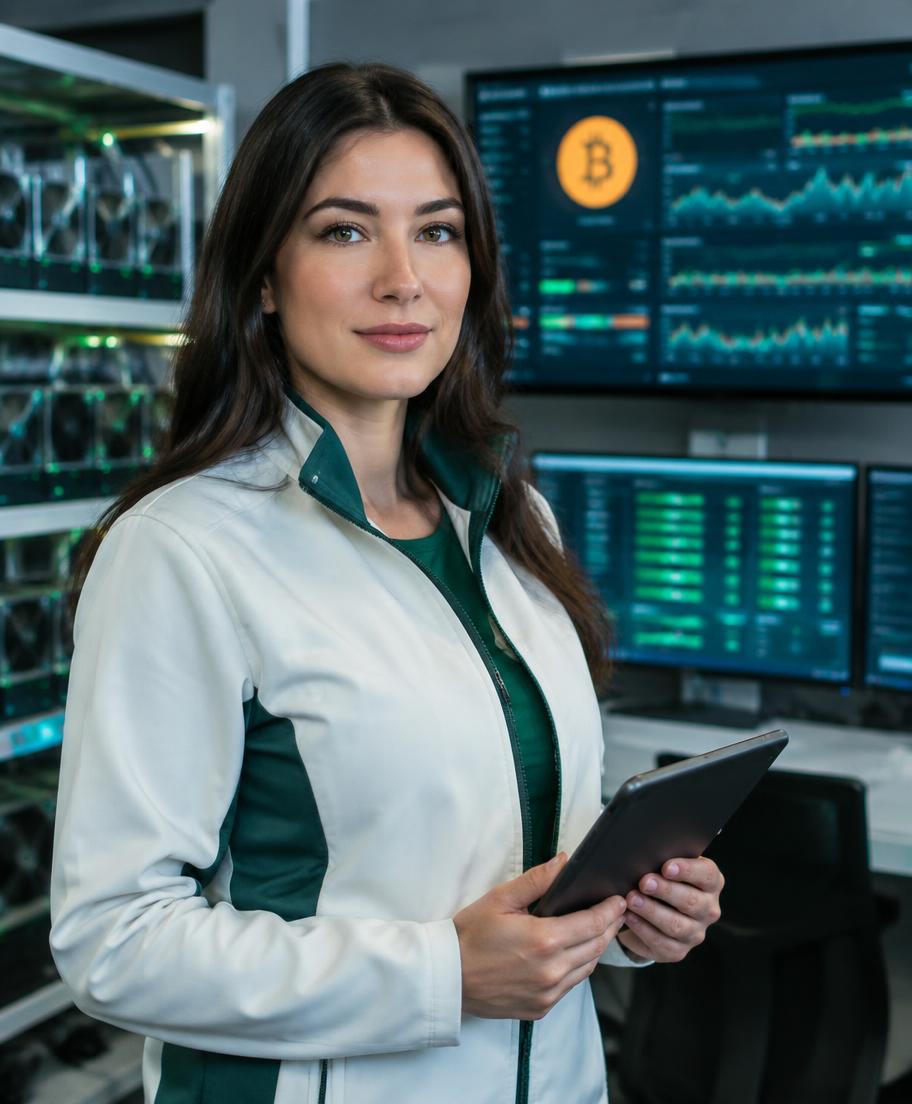
Uptime and pool connectivity
Low-latency links, continuous monitoring and rapid fault isolation help miners submit valid work reliably to the network.
Mining is the coordination layer that orders valid transactions, commits them into blocks and protects Bitcoin's shared history through computational work.
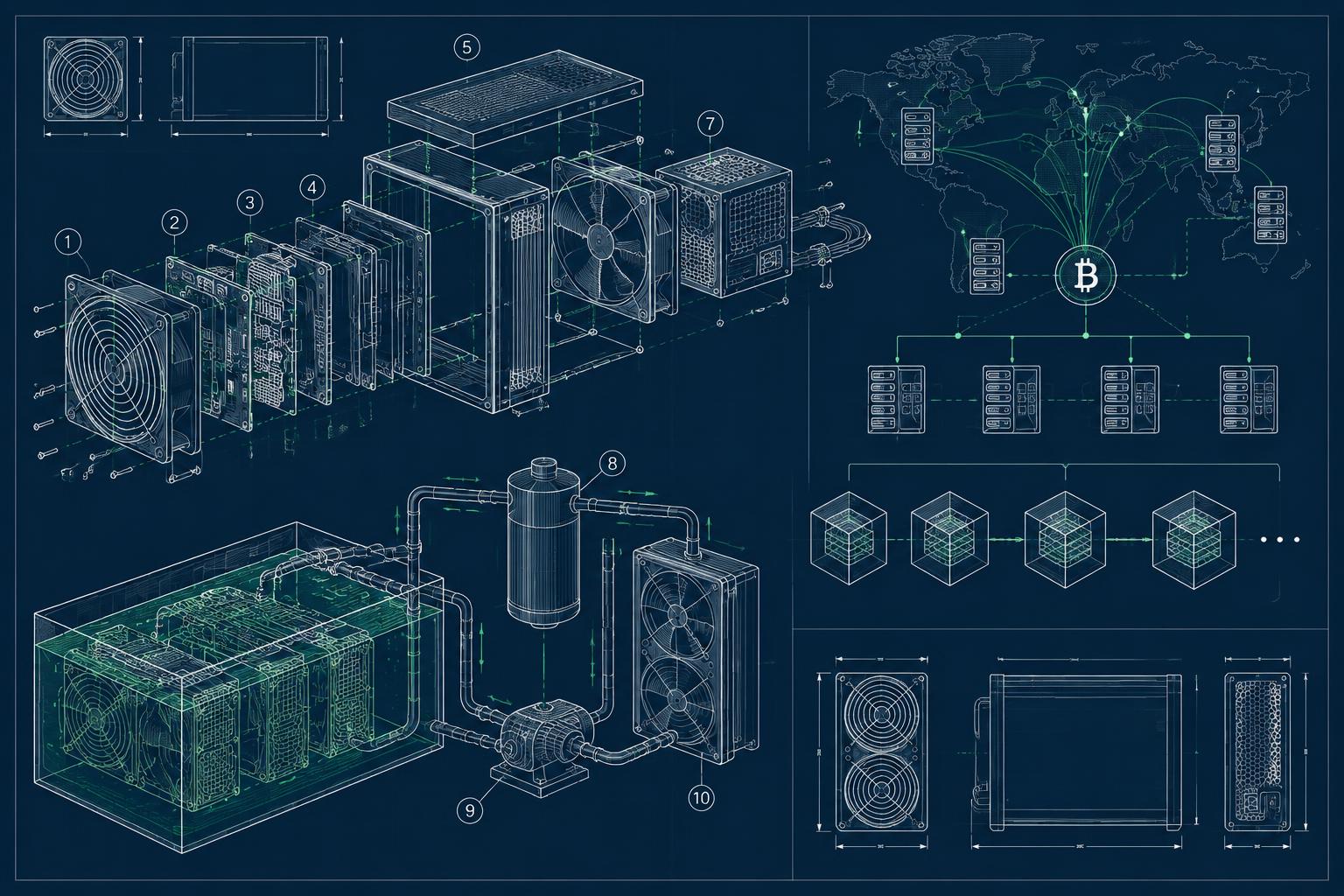

Signed Bitcoin transactions are shared with peer to peer nodes.
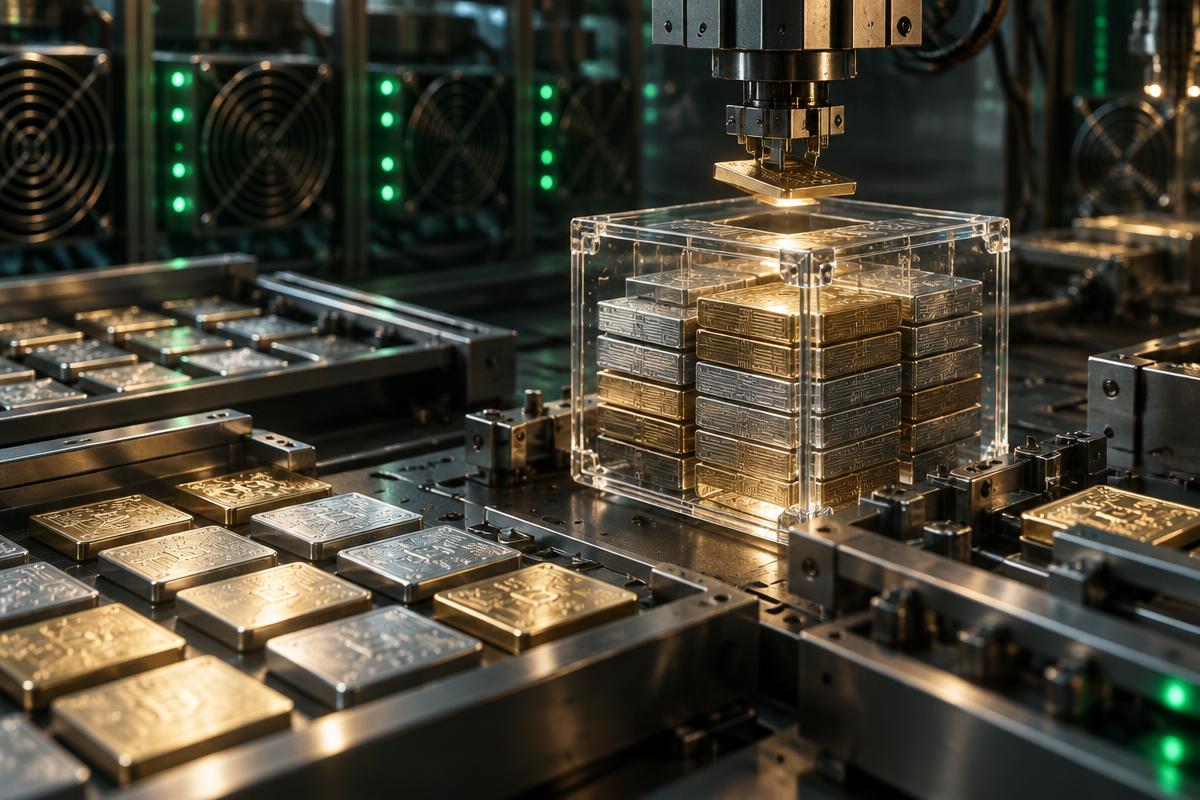
Miners select valid transactions and build a candidate block.
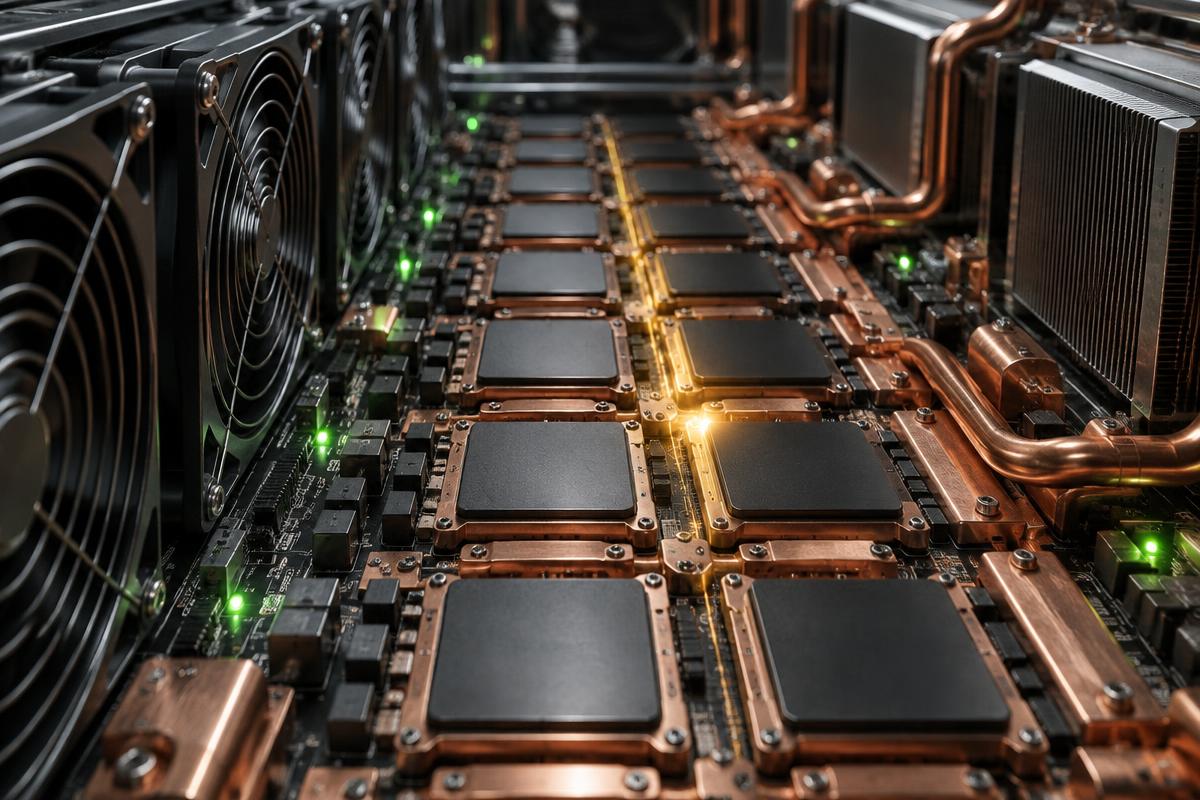
ASICs test SHA256 hashes until a valid result meets the target.

Independent nodes verify the block, its proof and every transaction.
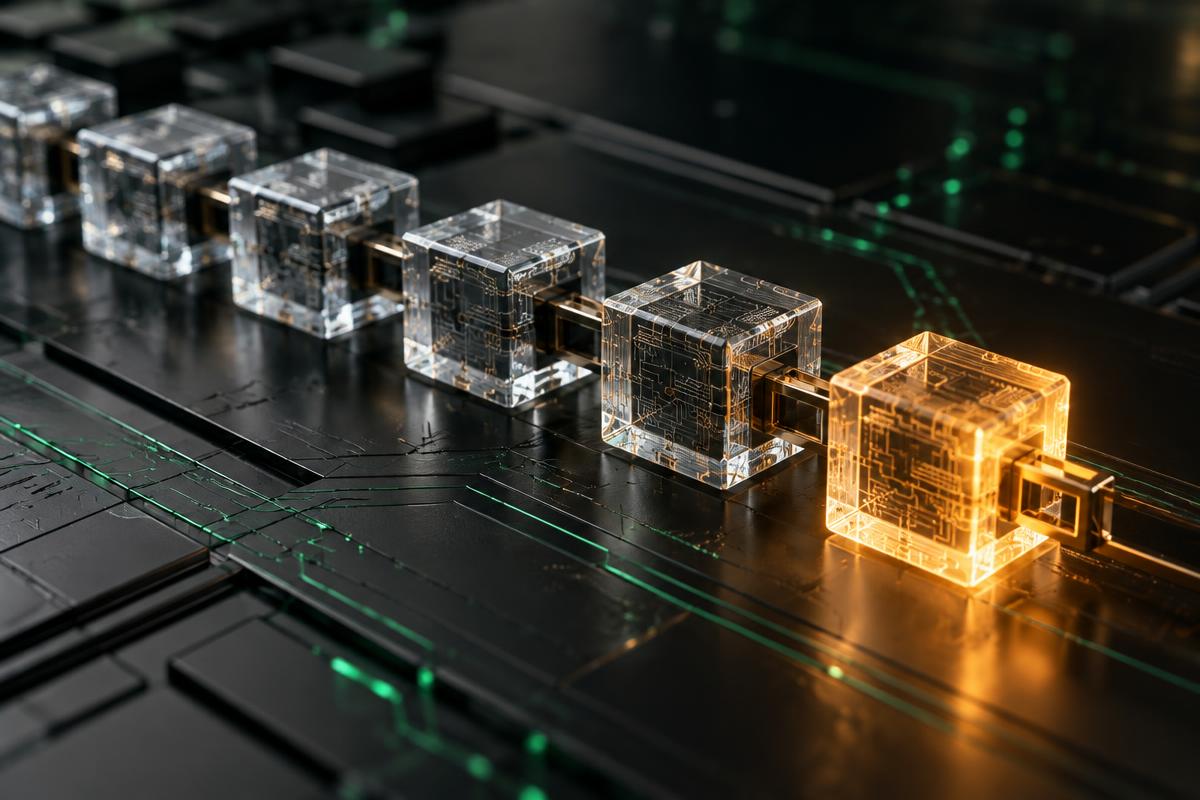
The accepted block extends the chain and later blocks deepen finality.
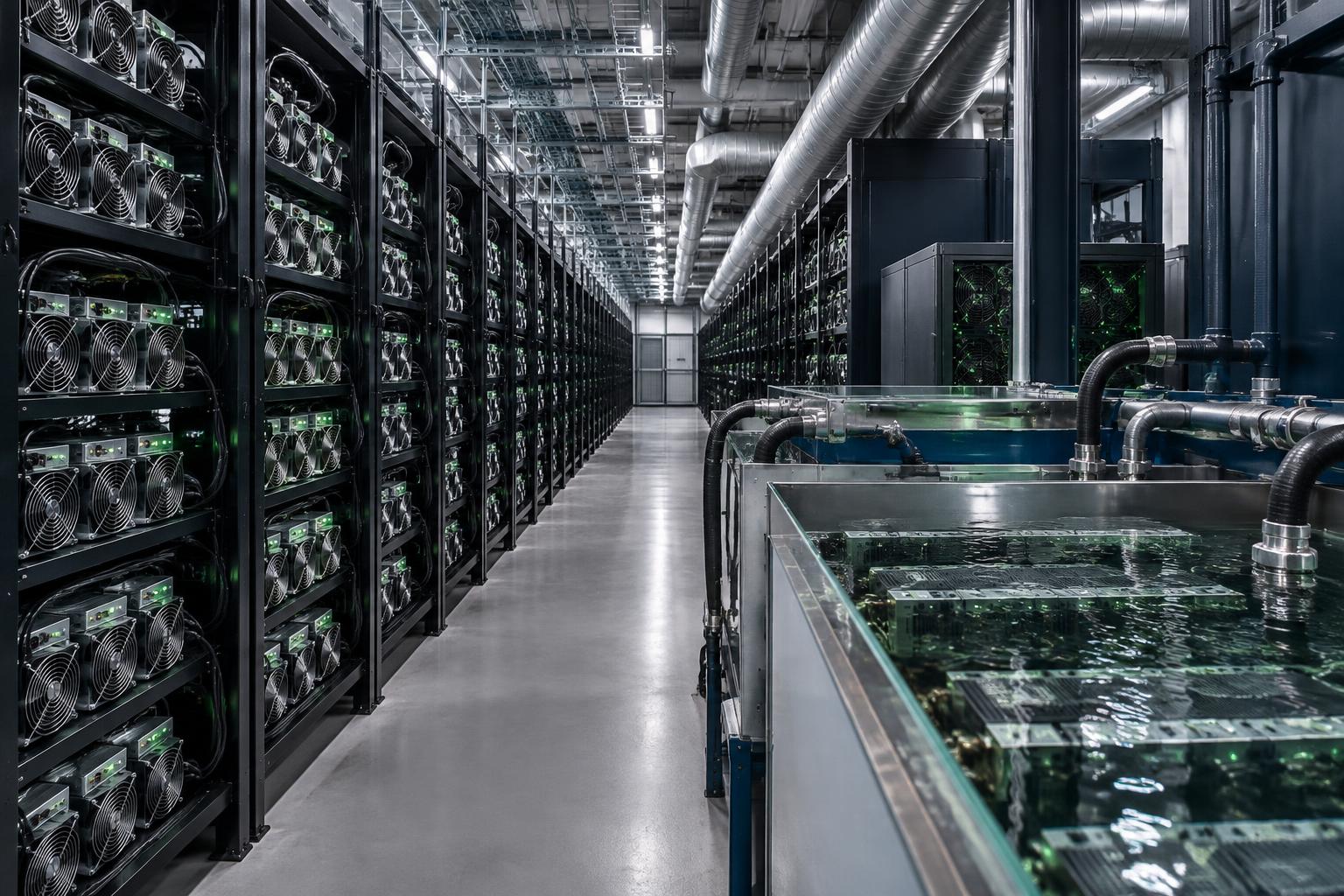
Immersion ready
Power monitored
Pool connected
A professional operation treats electricity, cooling, connectivity and maintenance as one coordinated system. The objective is stable computation, not speculative guarantees.
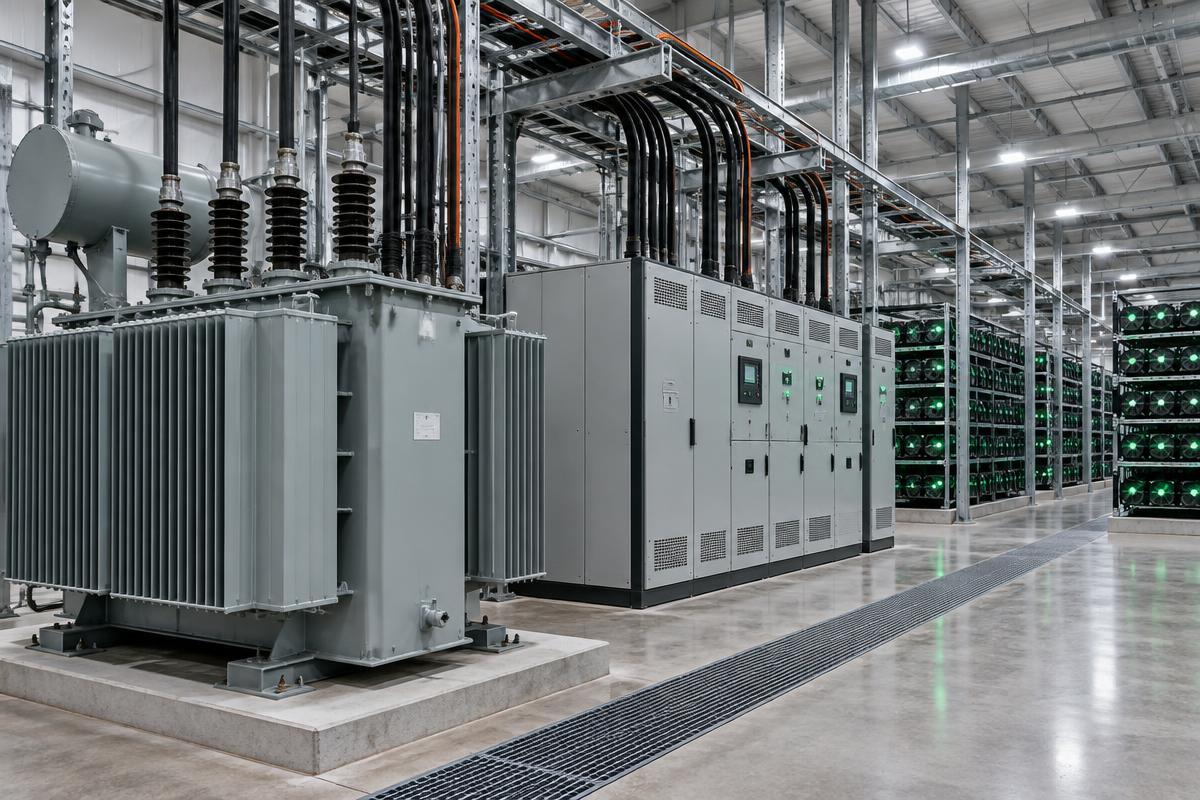
Transformers, switchgear and monitored distribution deliver stable power to dense ASIC fleets.
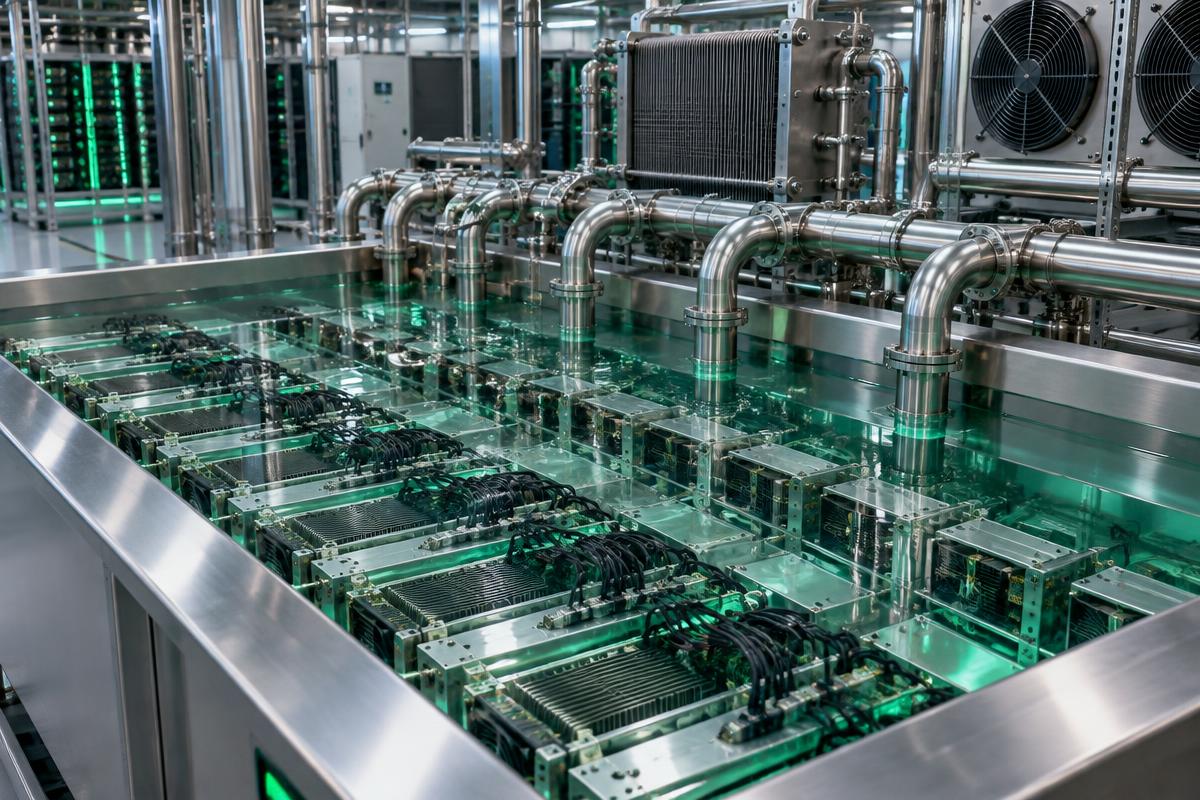
Engineered airflow, hydro loops or dielectric immersion remove heat while protecting silicon life.
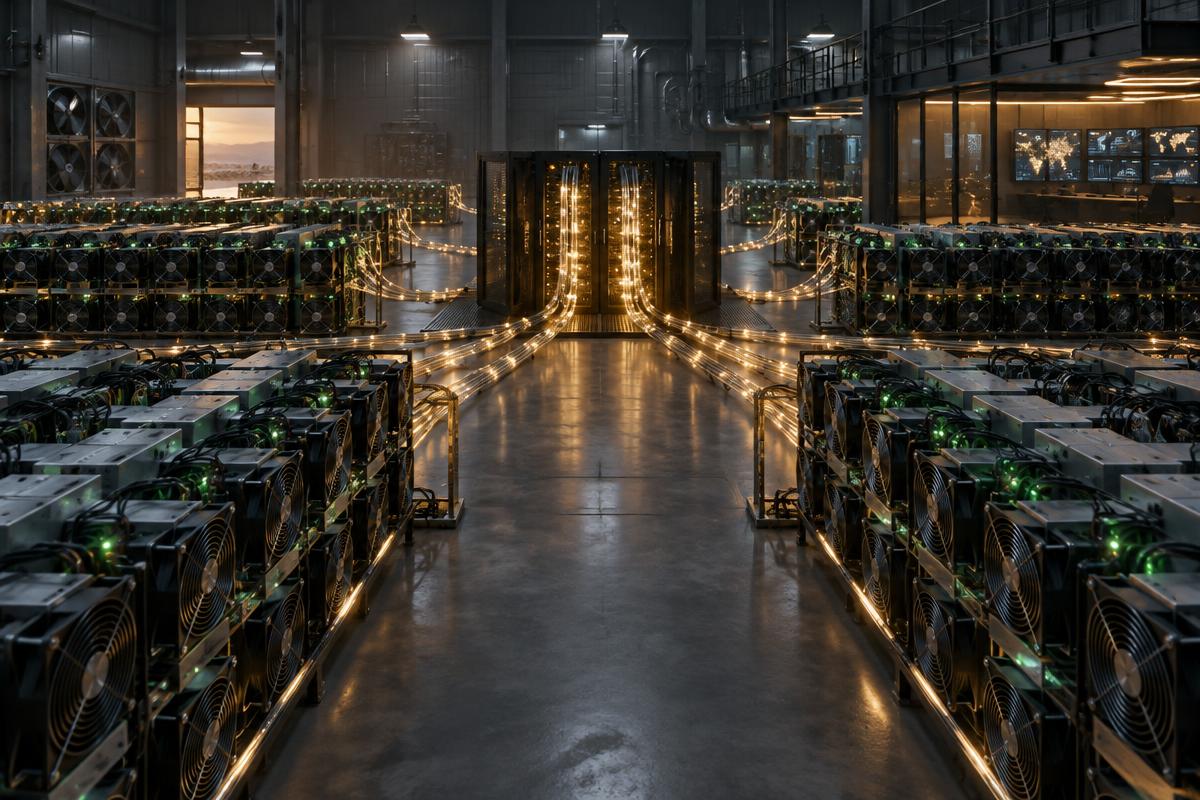
Operators combine hash rate, reduce reward variance and receive work through pool protocols.
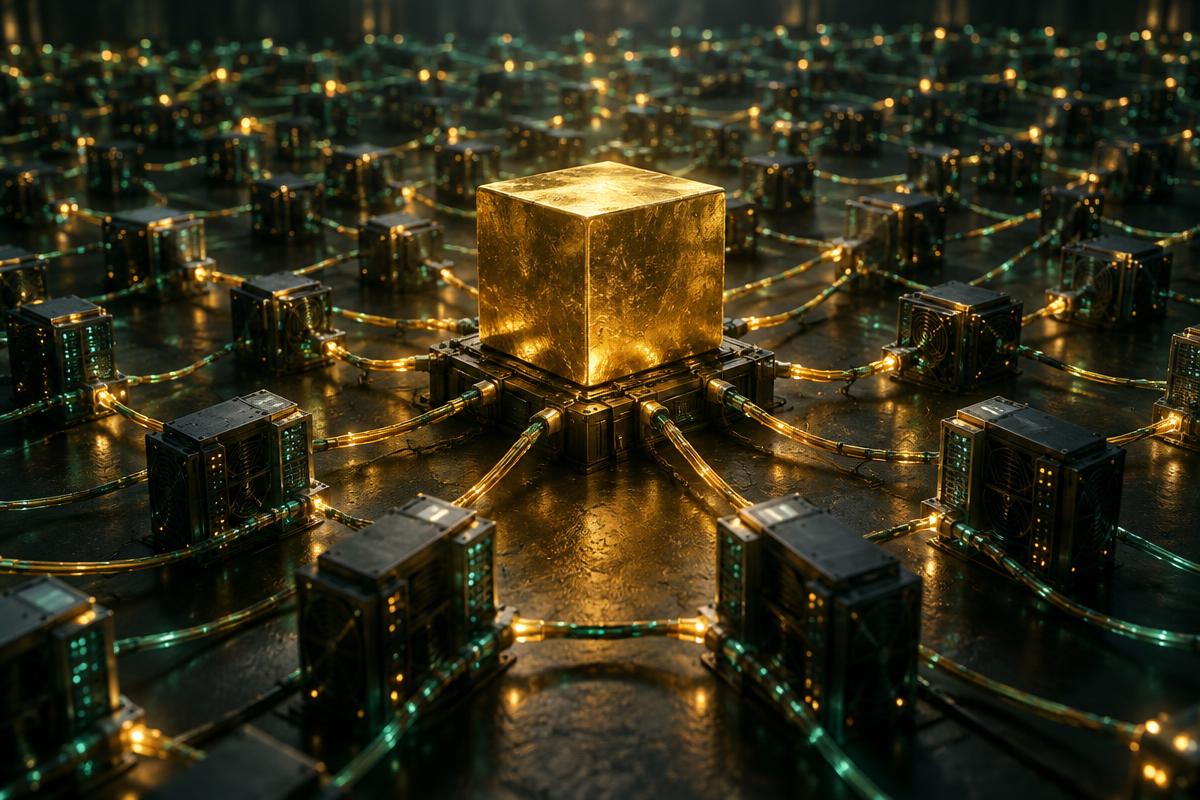
Distributed proof of work makes chain reorganization increasingly expensive as hash rate grows.
A visual journey from early hardware to industrial cooling, energy management and distributed block validation.
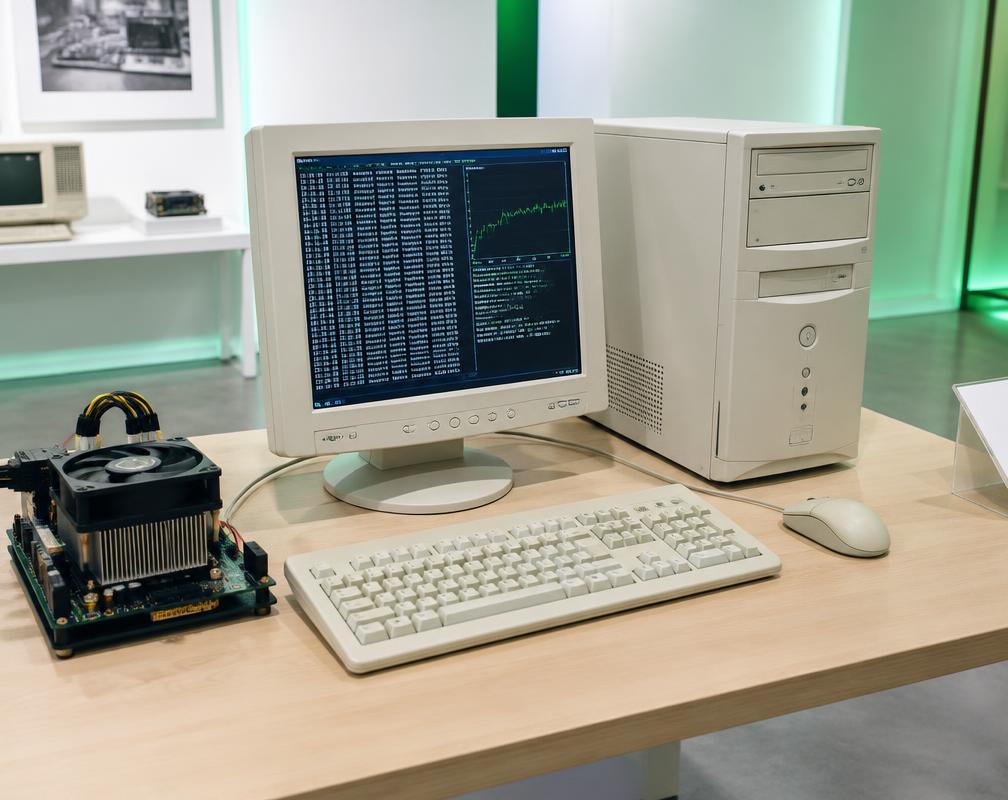
History
Early Bitcoin blocks could be mined with an ordinary desktop processor.
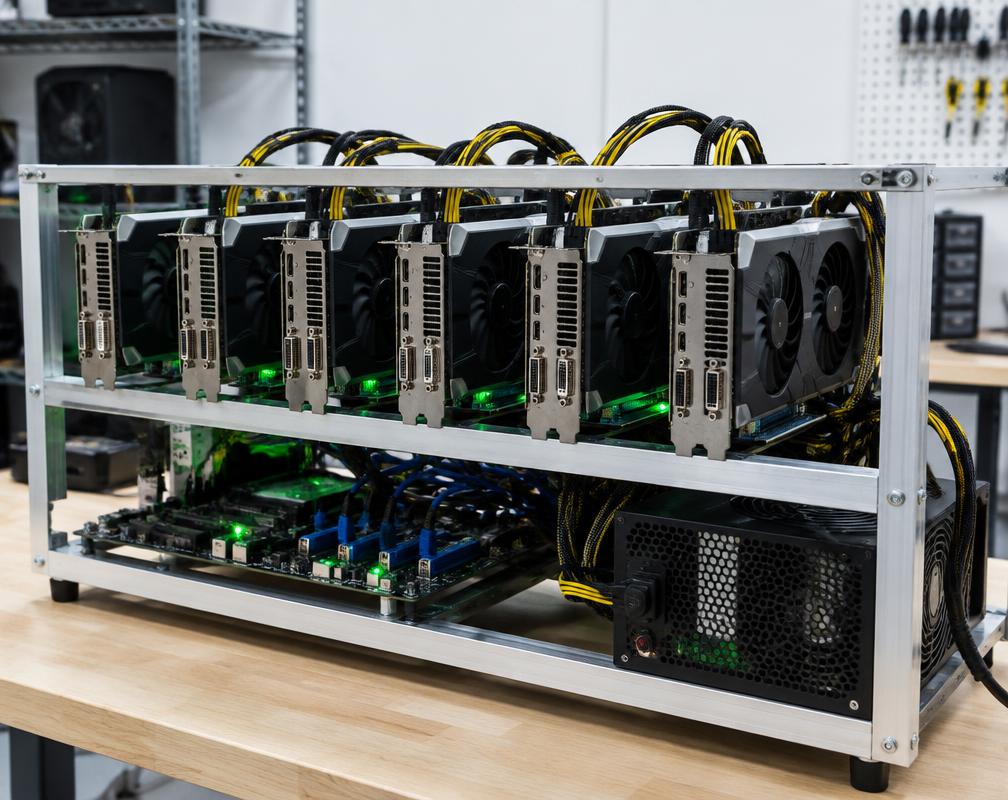
History
Parallel graphics cards delivered a major increase in hashing throughput.
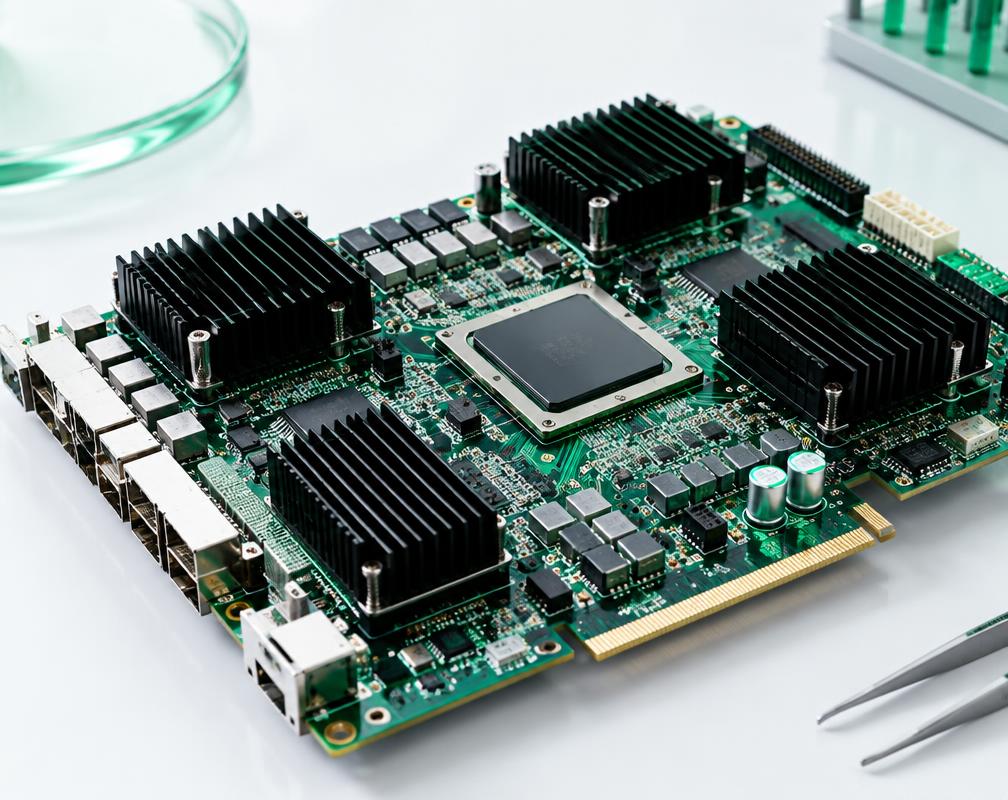
History
Programmable hardware improved efficiency before dedicated ASICs arrived.
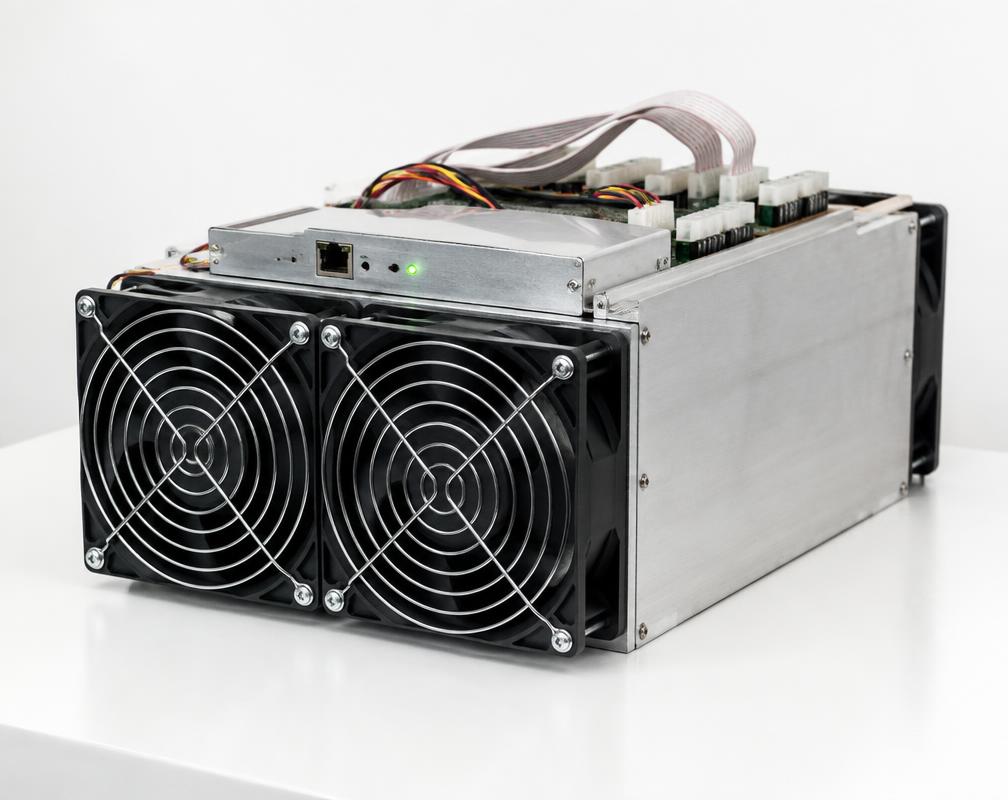
Hardware
Purpose-built SHA-256 silicon changed mining into a specialist industry.
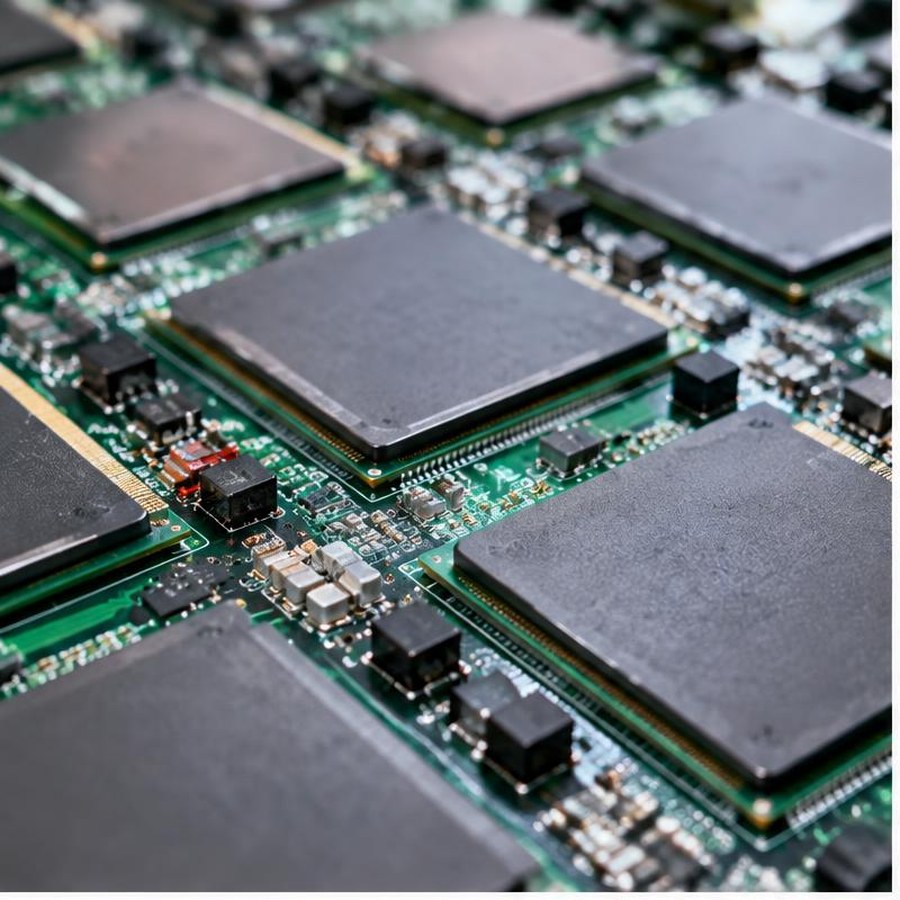
Hardware
Dense arrays of chips perform the repeated calculations behind proof of work.
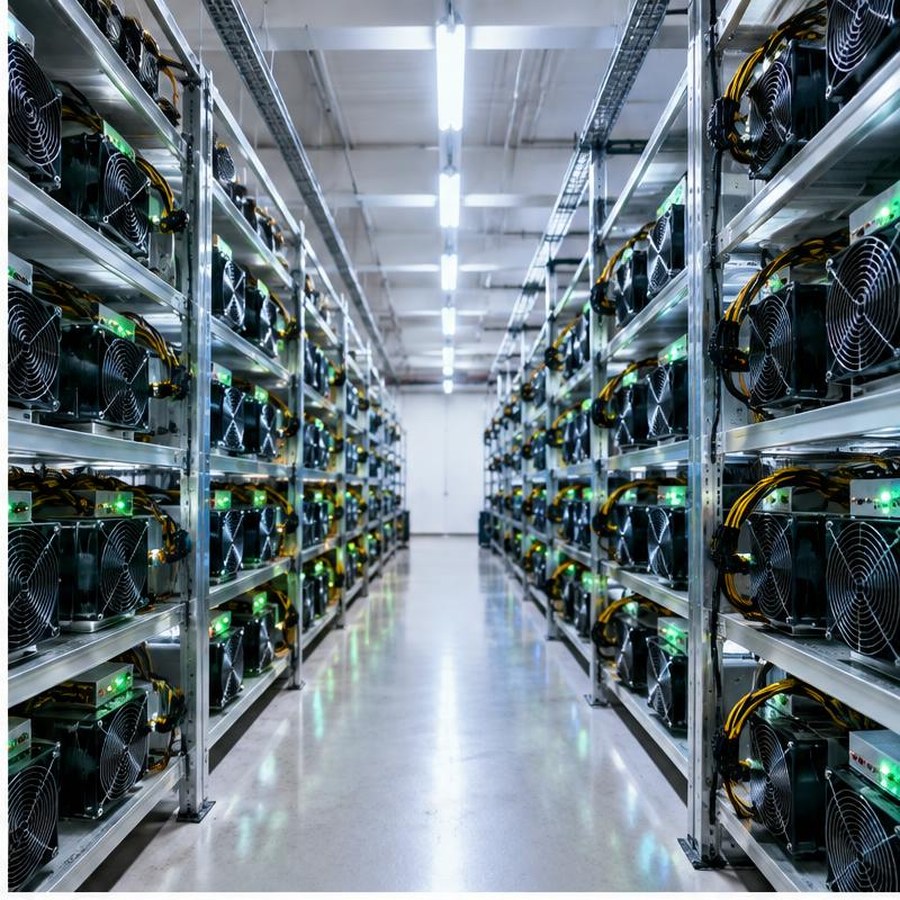
Hardware
Current facilities manage thousands of machines as one coordinated compute system.
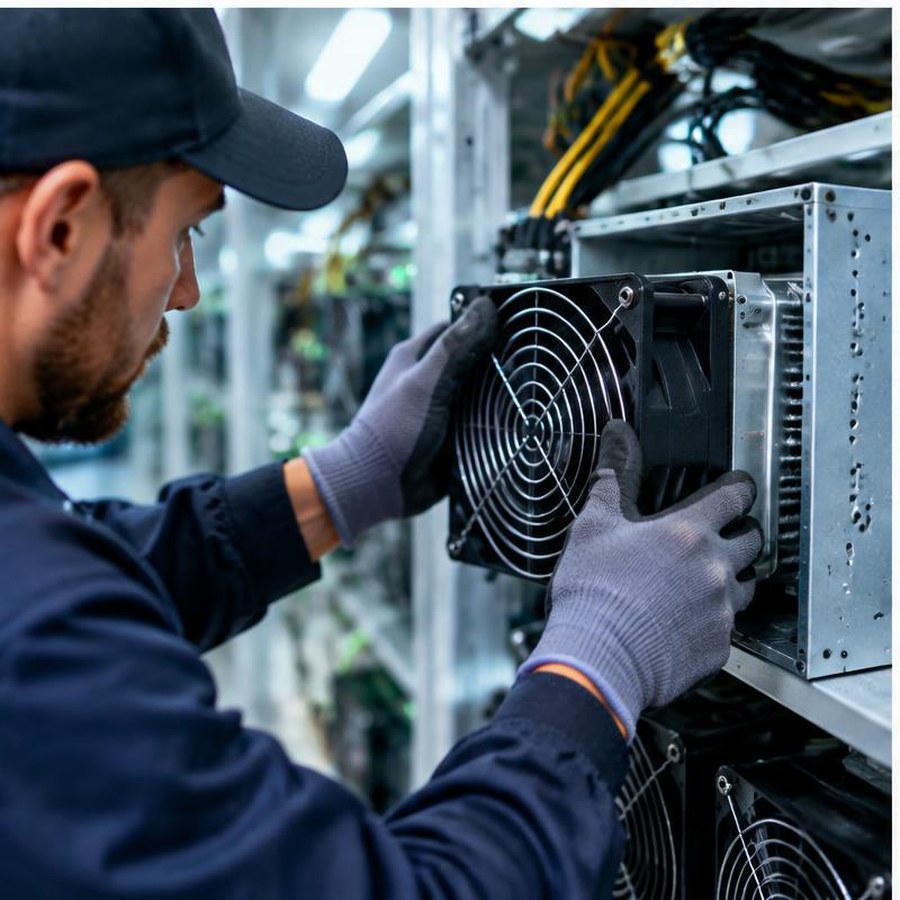
Operations
Fan checks, cleaning and rapid component replacement protect uptime.
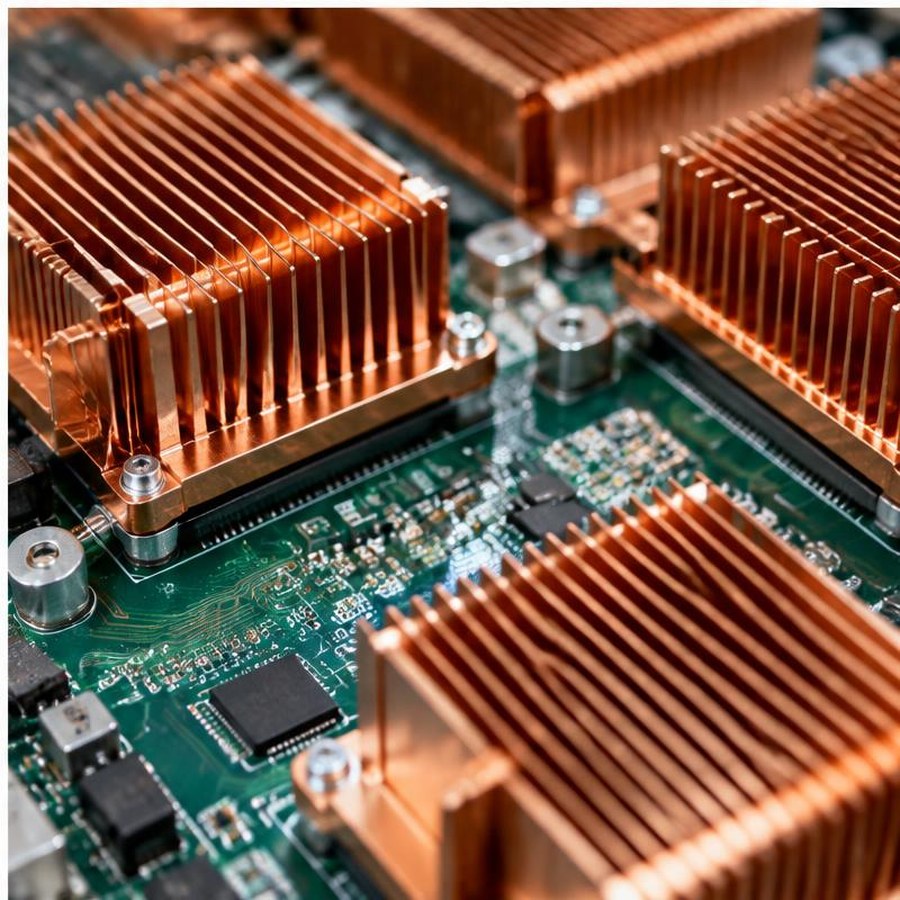
Hardware
Heatsinks move energy away from chips before airflow carries it outside.
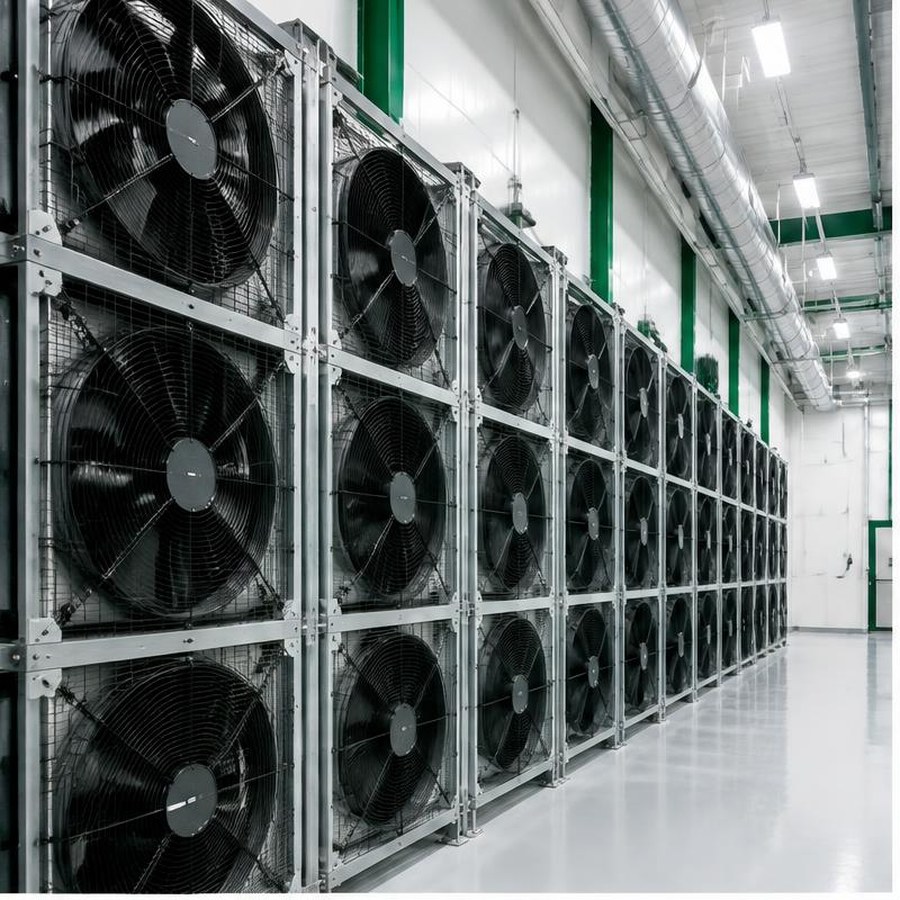
Cooling
Engineered pressure and exhaust paths prevent hot air from recirculating.
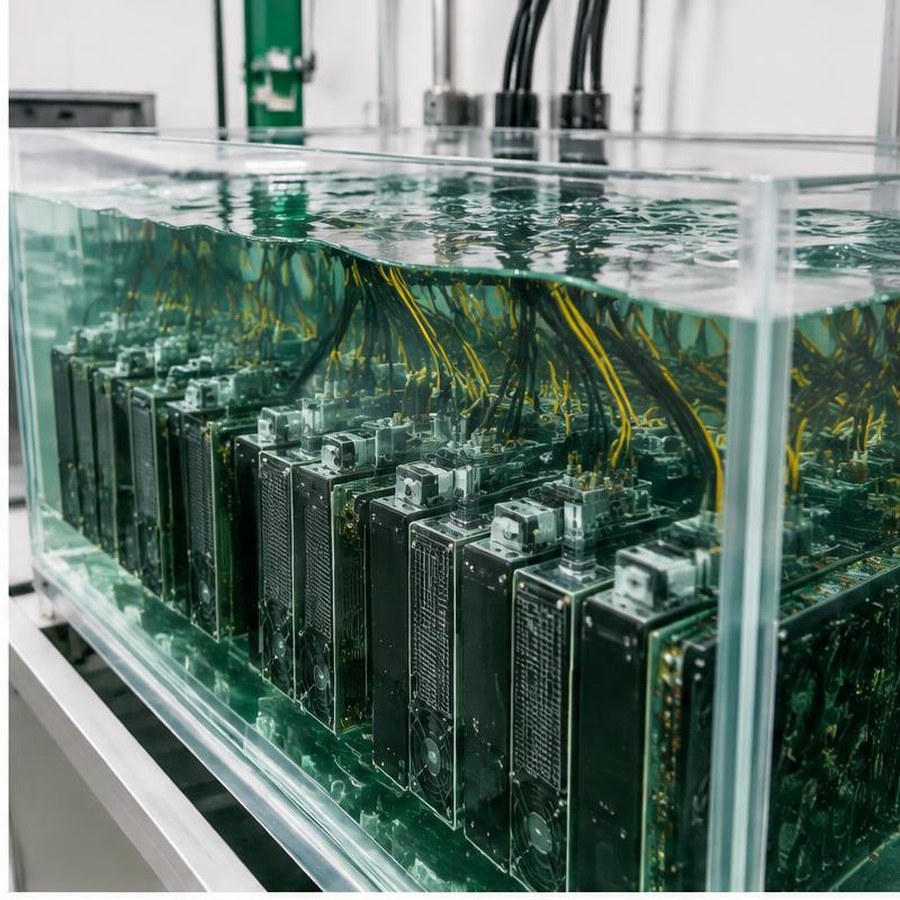
Cooling
Dielectric fluid absorbs heat directly from submerged mining hardware.
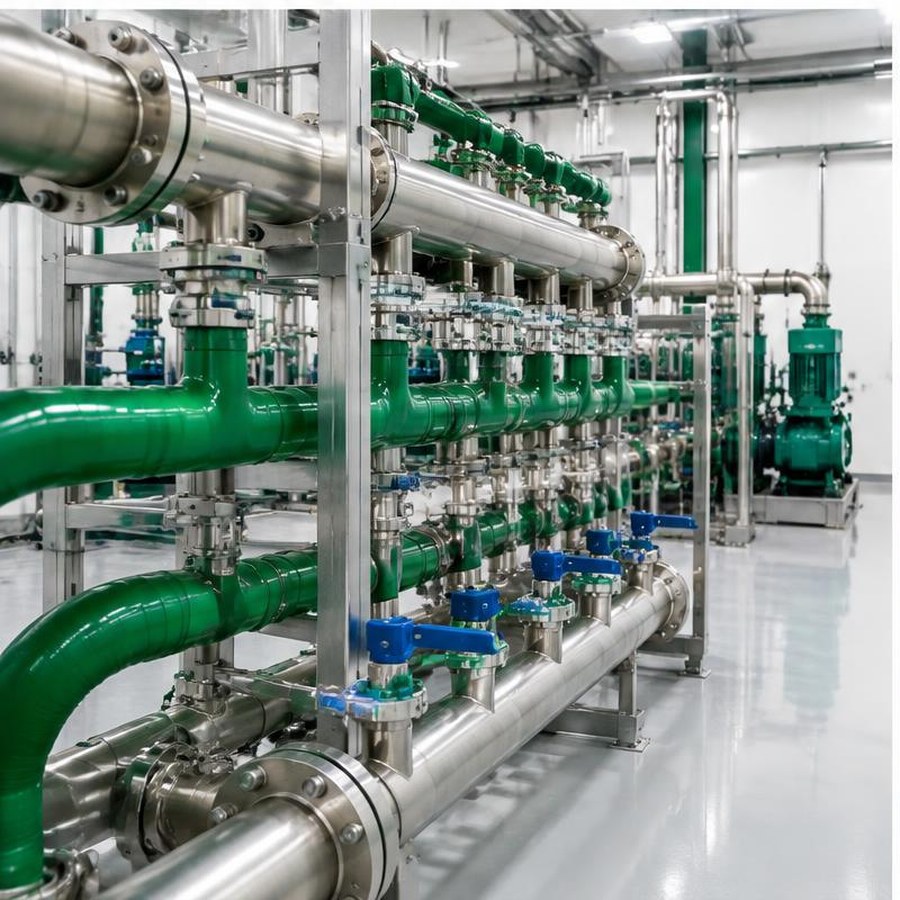
Cooling
Closed-loop manifolds move heat efficiently through high-density installations.
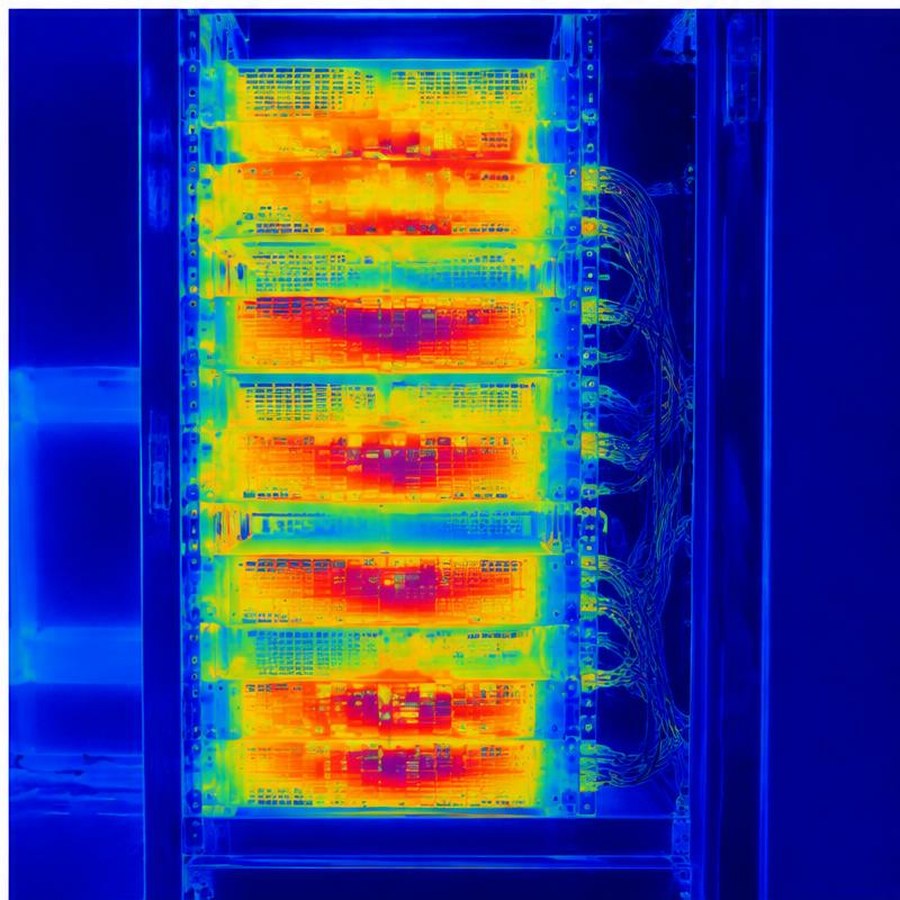
Cooling
Heat maps reveal blocked airflow, weak fans and abnormal components early.
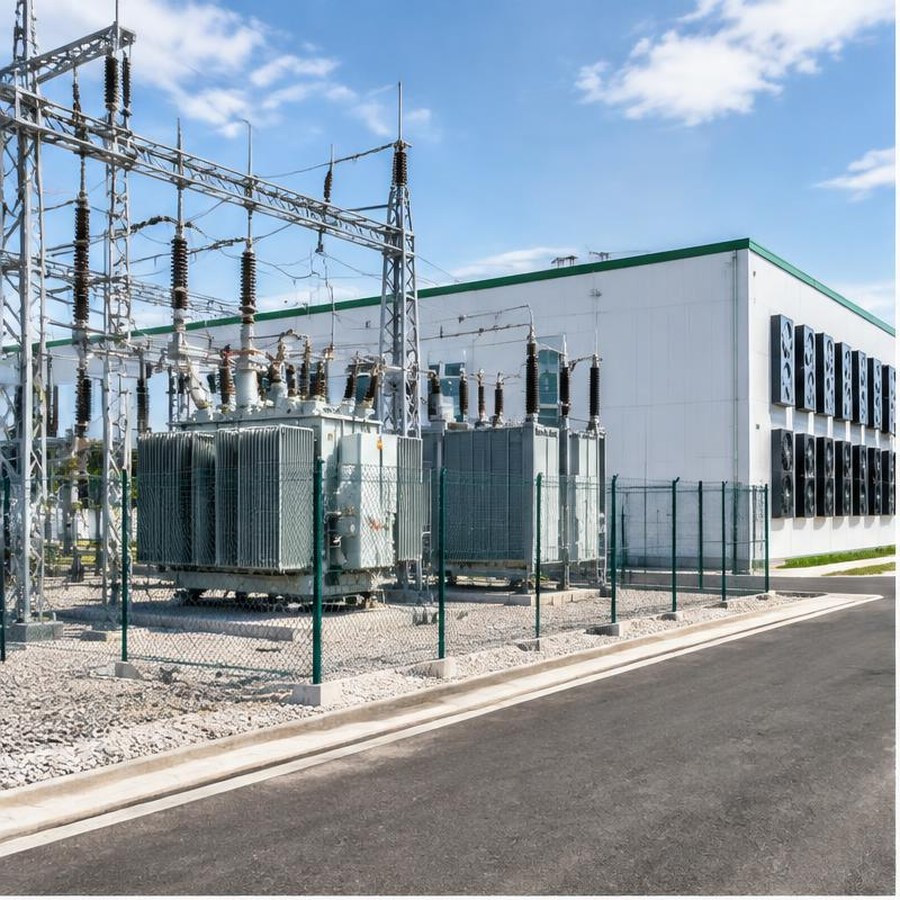
Energy
Substations transform and distribute electricity across protected mining circuits.
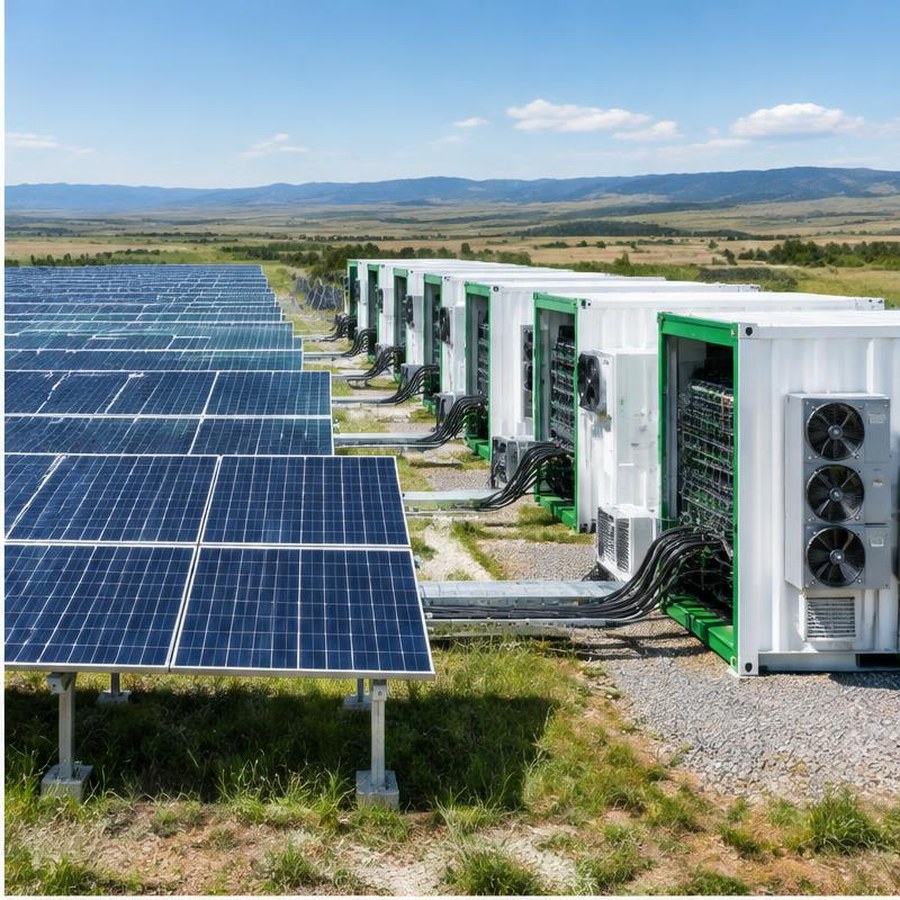
Energy
Flexible mining loads can operate alongside variable renewable generation.
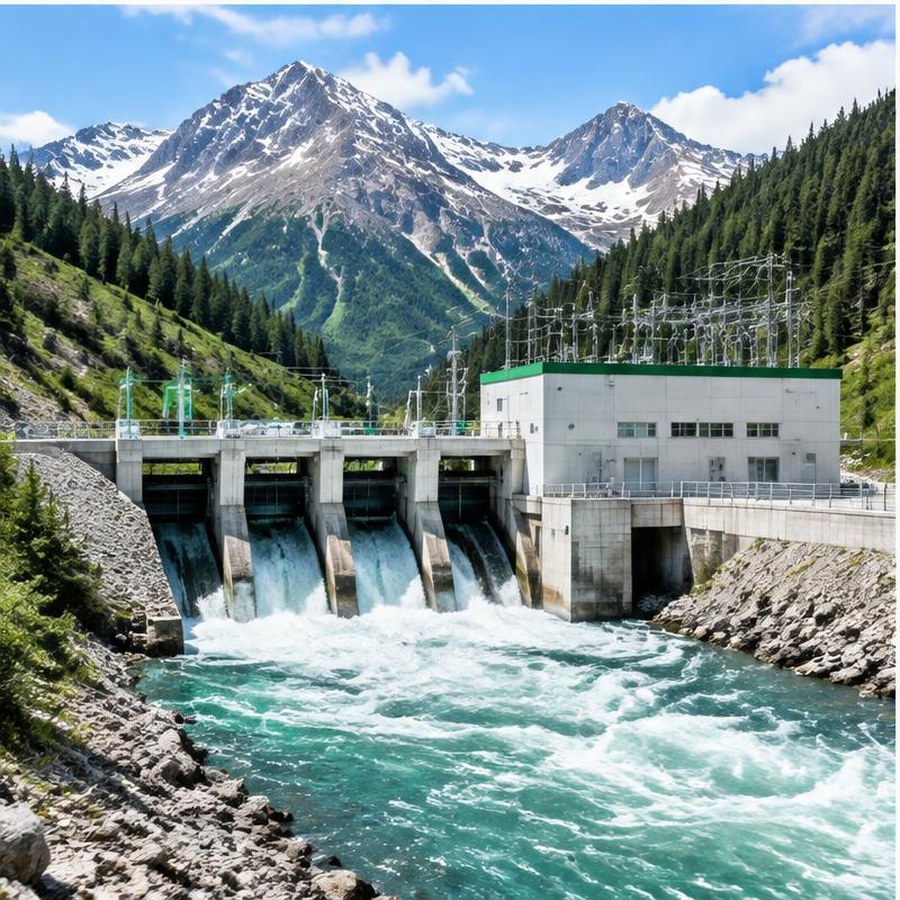
Energy
Hydropower can provide steady low-carbon electricity where geography allows.
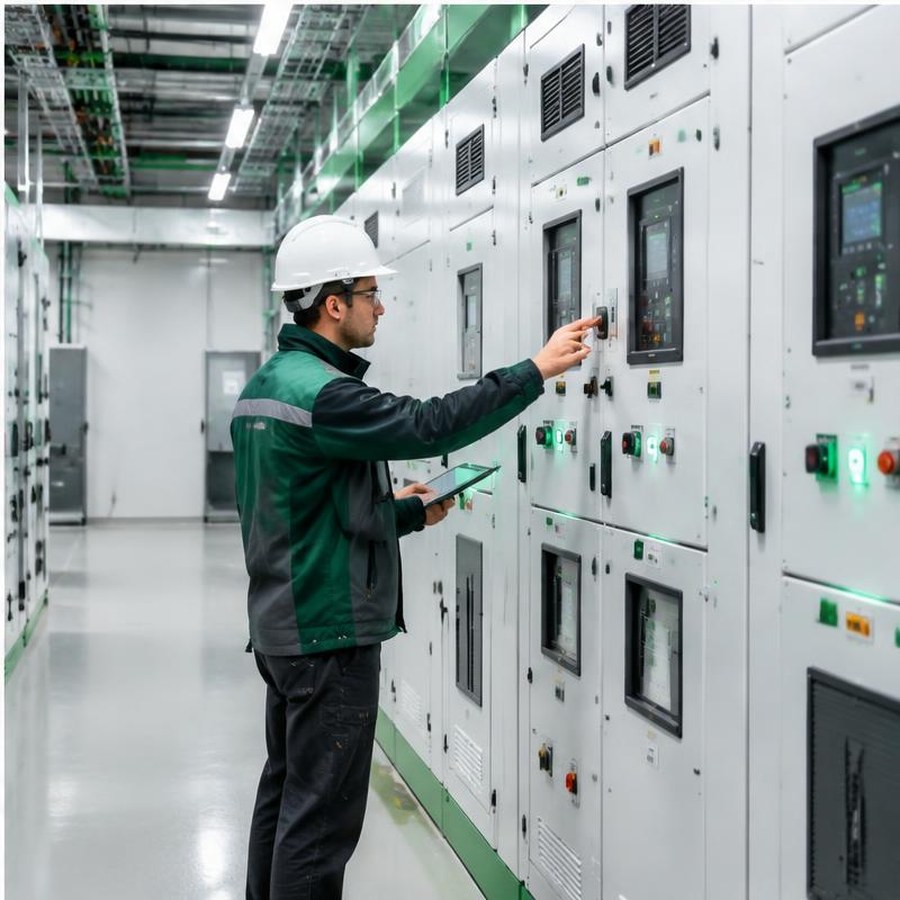
Energy
Operators monitor breakers, demand and power quality from distribution cabinets.
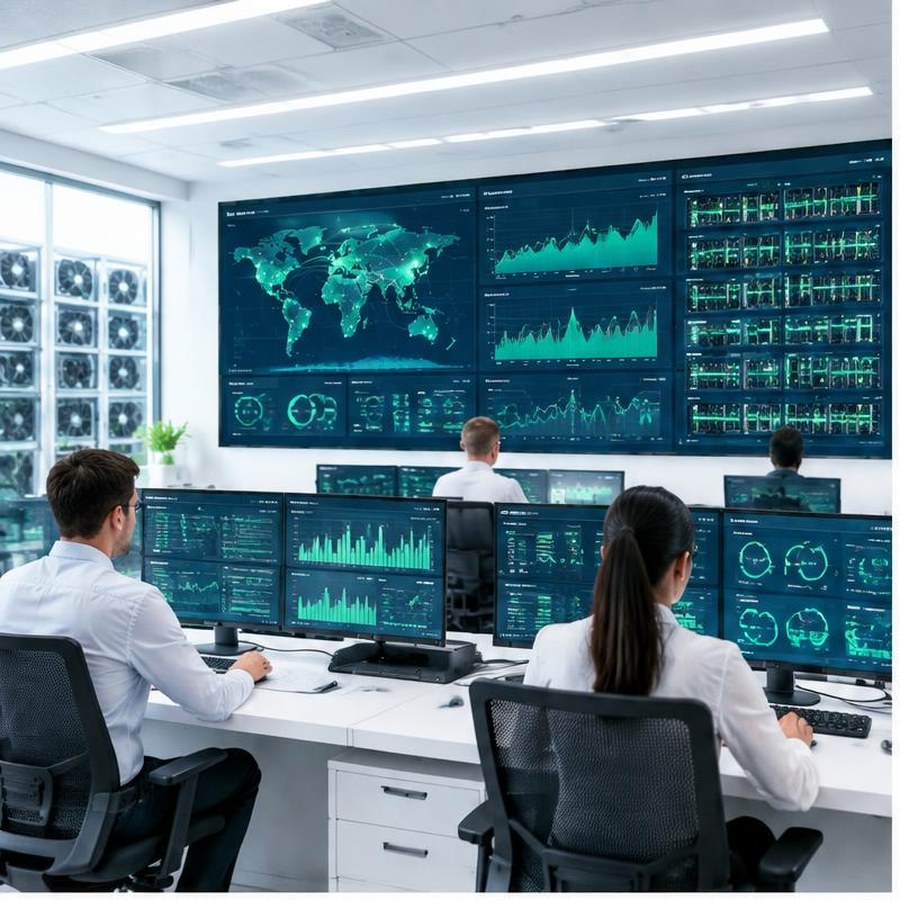
Operations
Control rooms track hash rate, temperatures, faults and energy use in real time.
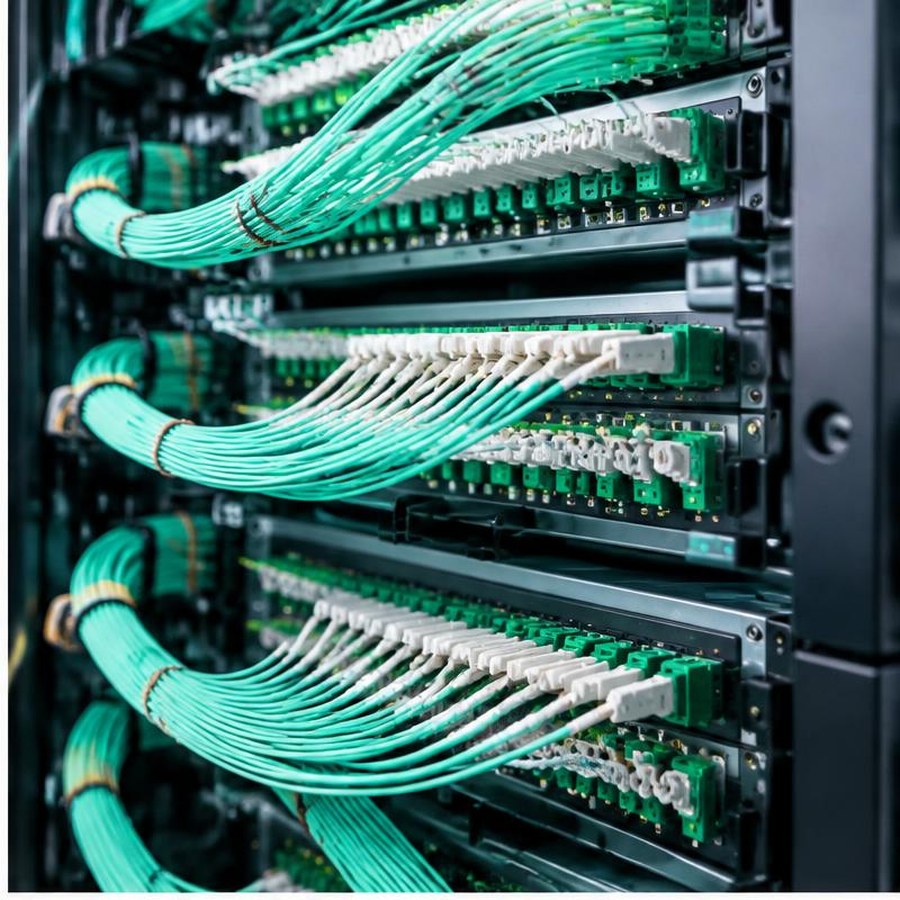
Network
Redundant fiber links carry work between miners, pools and monitoring systems.
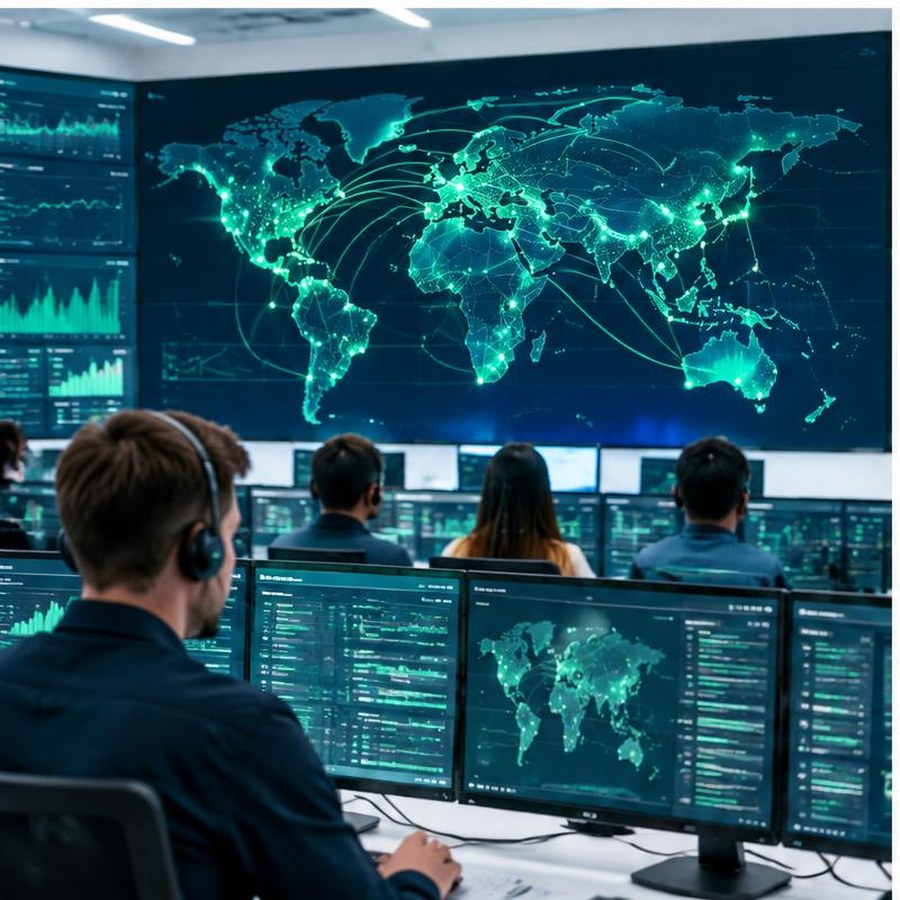
Network
Pools coordinate contributed hash rate and distribute rewards by submitted work.
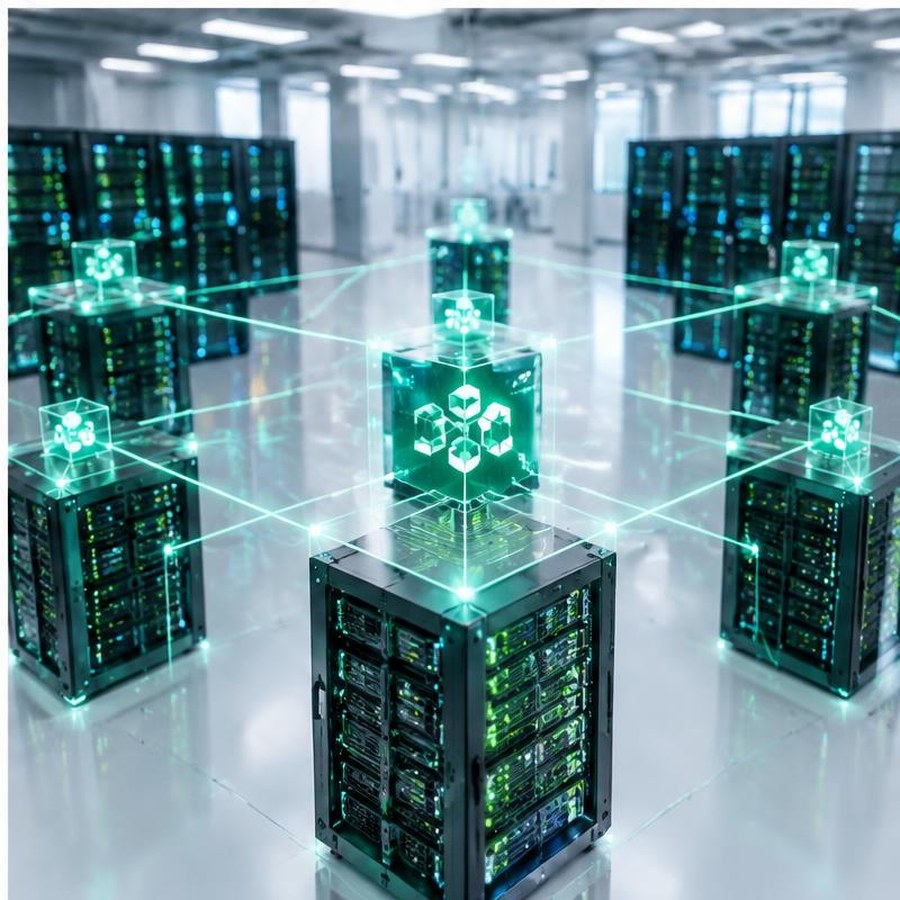
Blockchain
Nodes verify proof of work and every transaction before accepting a new block.
Visuals are original editorial illustrations created to explain mining technology; they do not document Quantummine-owned facilities or employees.
Every machine runs its own hash rate profile. Tap Explore on any unit to see the full specifications.
Air-cooled
The dependable entry point. MicroBT's air-cooled M70S delivers a nameplate 250 TH/s at 13.5 J/TH and is engineered for uptime, serviceability and stable long-run performance.
Flagship hydro
The most efficient Antminer to date. Bitmain's 2026 flagship hashes 600 TH/s at 8.9 J/TH with closed-loop hydro cooling, built for industrial mining deployments.
Volume hydro
The volume machine of Bitmain's hydro line-up. 580 TH/s at 9.5 J/TH with proven closed loop liquid cooling, the standard unit for professional hydro farms.
Bitdeer flagship
Bitdeer's flagship hydro miner, built on its proprietary SEAL02 chip manufactured with TSMC. 660 TH/s in a 2U rack mount chassis with a wide 20 to 55 °C operating range.
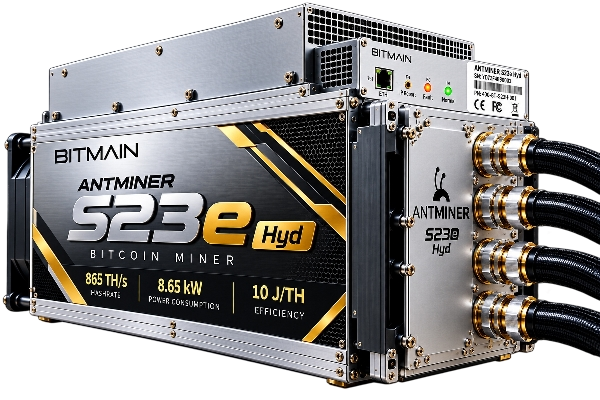
2U rack hydro
The densest machine in the S23 family. A 2U rack mount unit delivering 865 TH/s, 432 TH/s per rack unit, built for deployments where rack space is the constraint.
Quantummine machines hash the SHA256 network 24/7 and credit verified mining rewards to your wallet every 24 hours.
Start mining
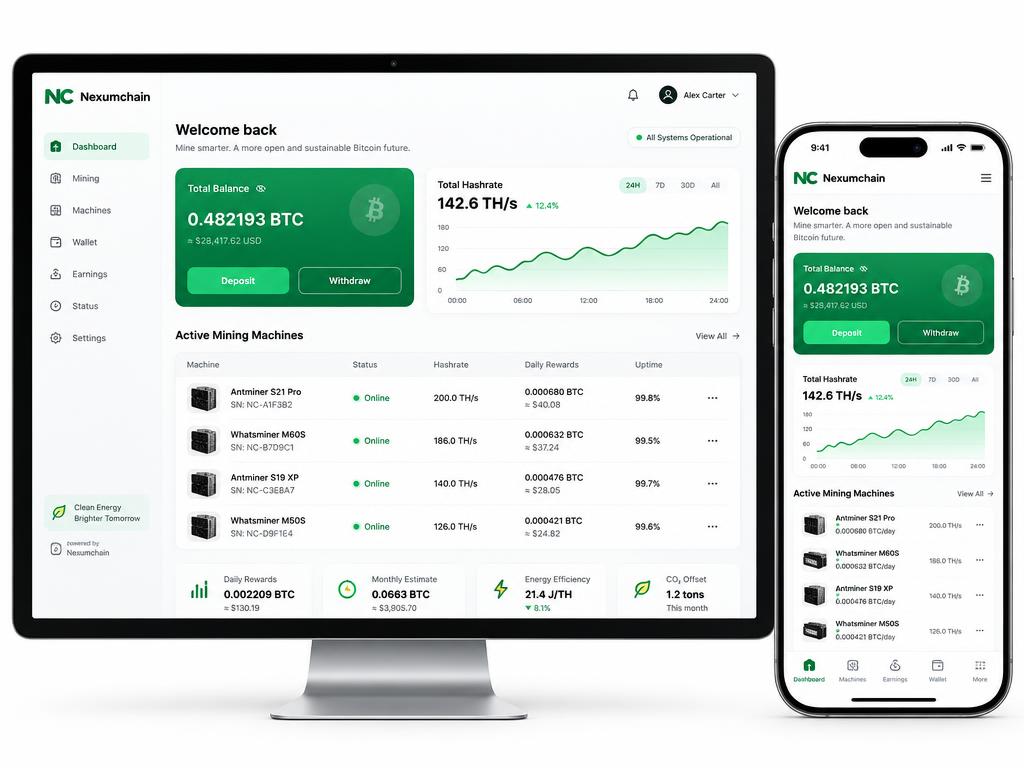
Create your Quantummine account with an email in under a minute.
Fund your wallet with USDT, card or bank transfer to activate earnings.
Choose a mining machine and receive your mining rewards automatically every 24 hours.
Join Quantummine today and let dedicated mining machines earn while you sleep.